
30 TikTok Content Ideas Without Showing Your Face
30 faceless TikTok content ideas that grow an account, from hands-on tutorials to AI characters, plus how to film, post on a schedule, and make money off camera.

Notes from building with AI: what we learn keeping one AI character consistent across thousands of renders, plus the occasional read on where synthetic media is headed.
Five things we write about. Pick one to filter the posts.

30 faceless TikTok content ideas that grow an account, from hands-on tutorials to AI characters, plus how to film, post on a schedule, and make money off camera.
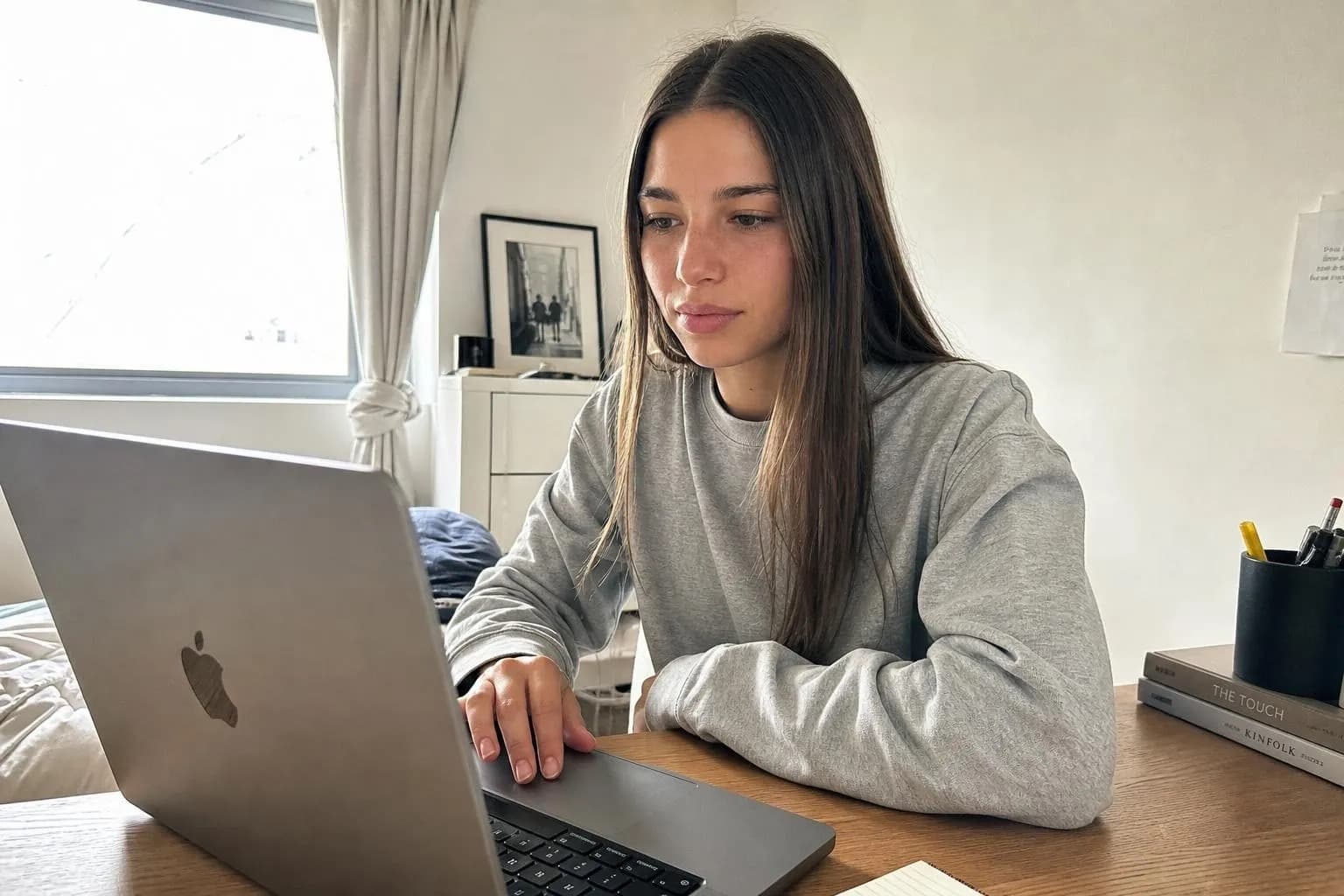
Do you have to disclose AI-generated content on Instagram, YouTube, and TikTok? Here are the official rules, triggers for labels, and non-disclosure penalties.

How to create an AI influencer step by step: design the persona, generate photorealistic images, and lock the face so every post looks like the same person.
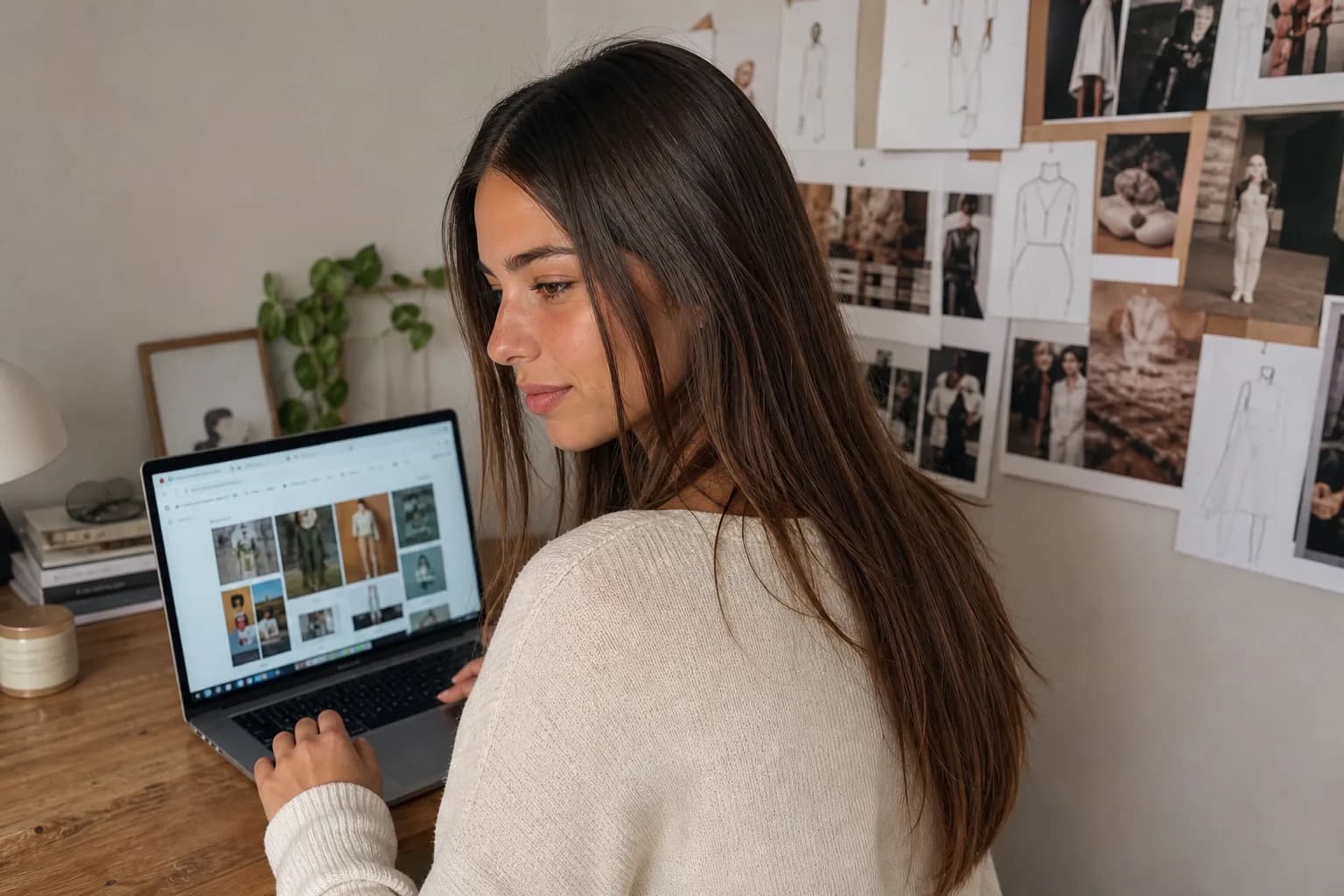
One AI character, many poses, zero face drift. Here is the repeatable workflow to hold a locked face across outfits, angles, and full-body shots.
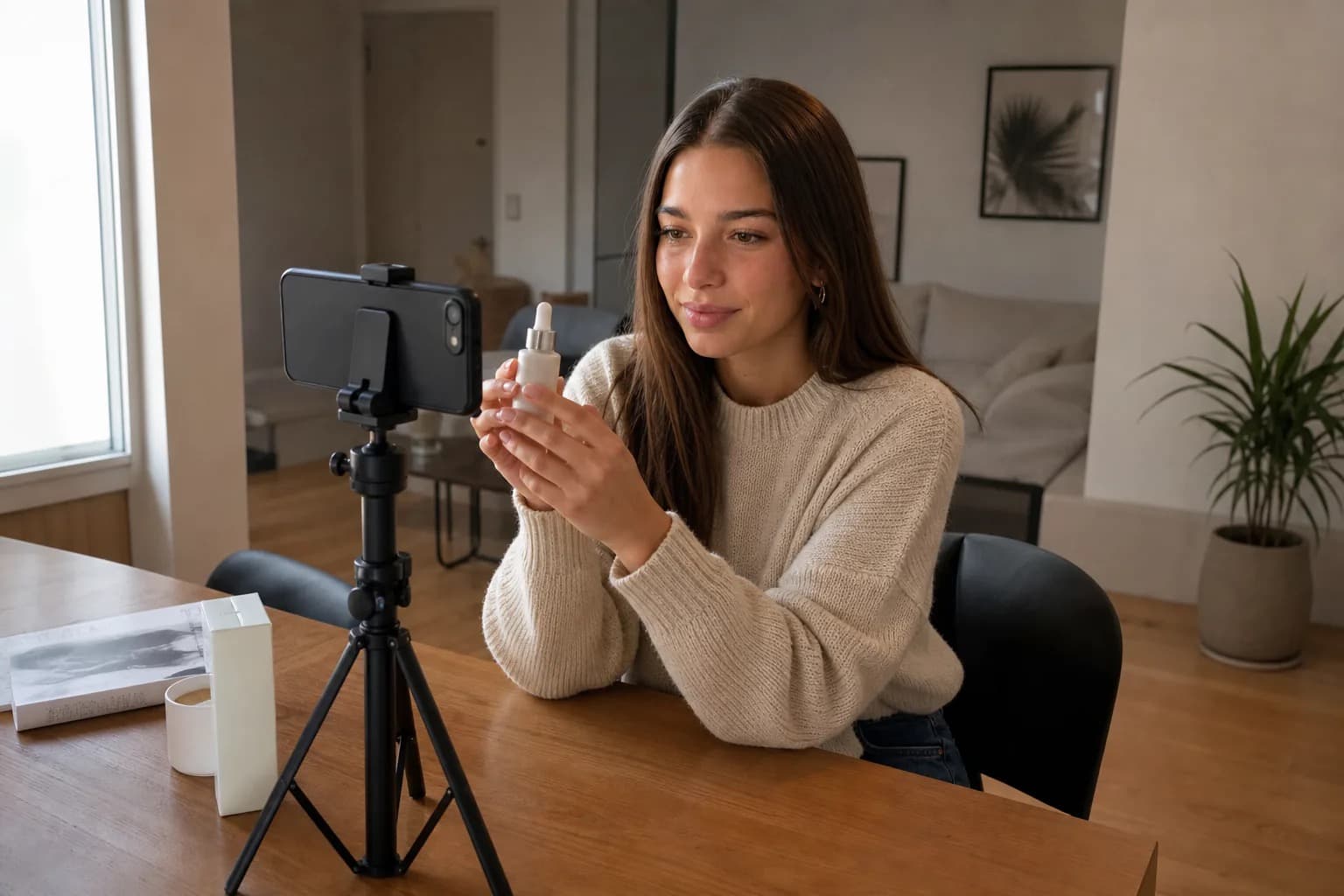
What a UGC creator actually does, how the pay model differs from influencing (paid for the content, not your follower count), and the steps to become one.

How character consistency works in Cladegrove: one saved profile and a plain studio reference keep the same AI character on every render, scene after scene.
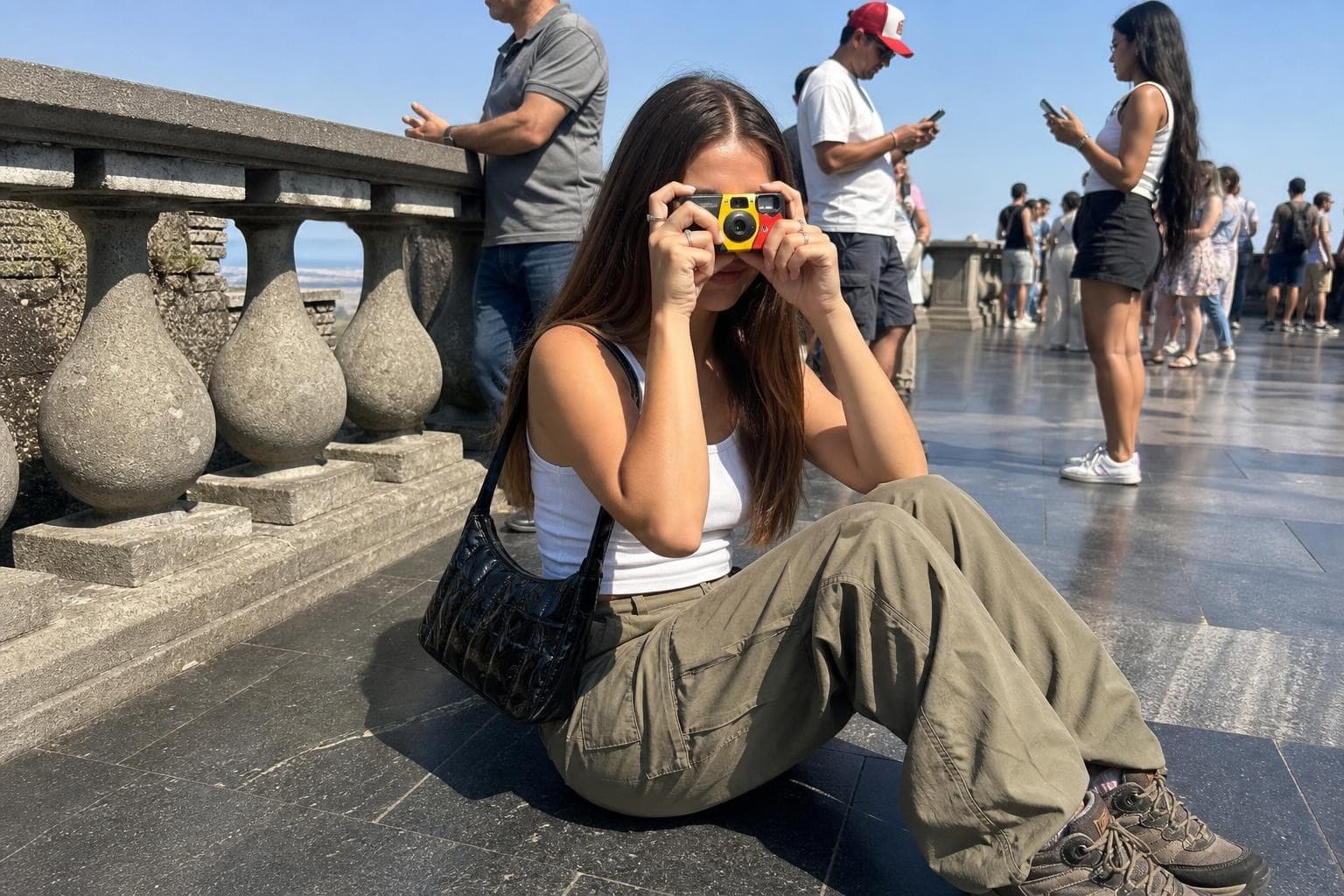
Most AI photo tools default to a polished, cinematic look, and on a social feed that polish is exactly what reads as fake. Here is why, and what fixes it.
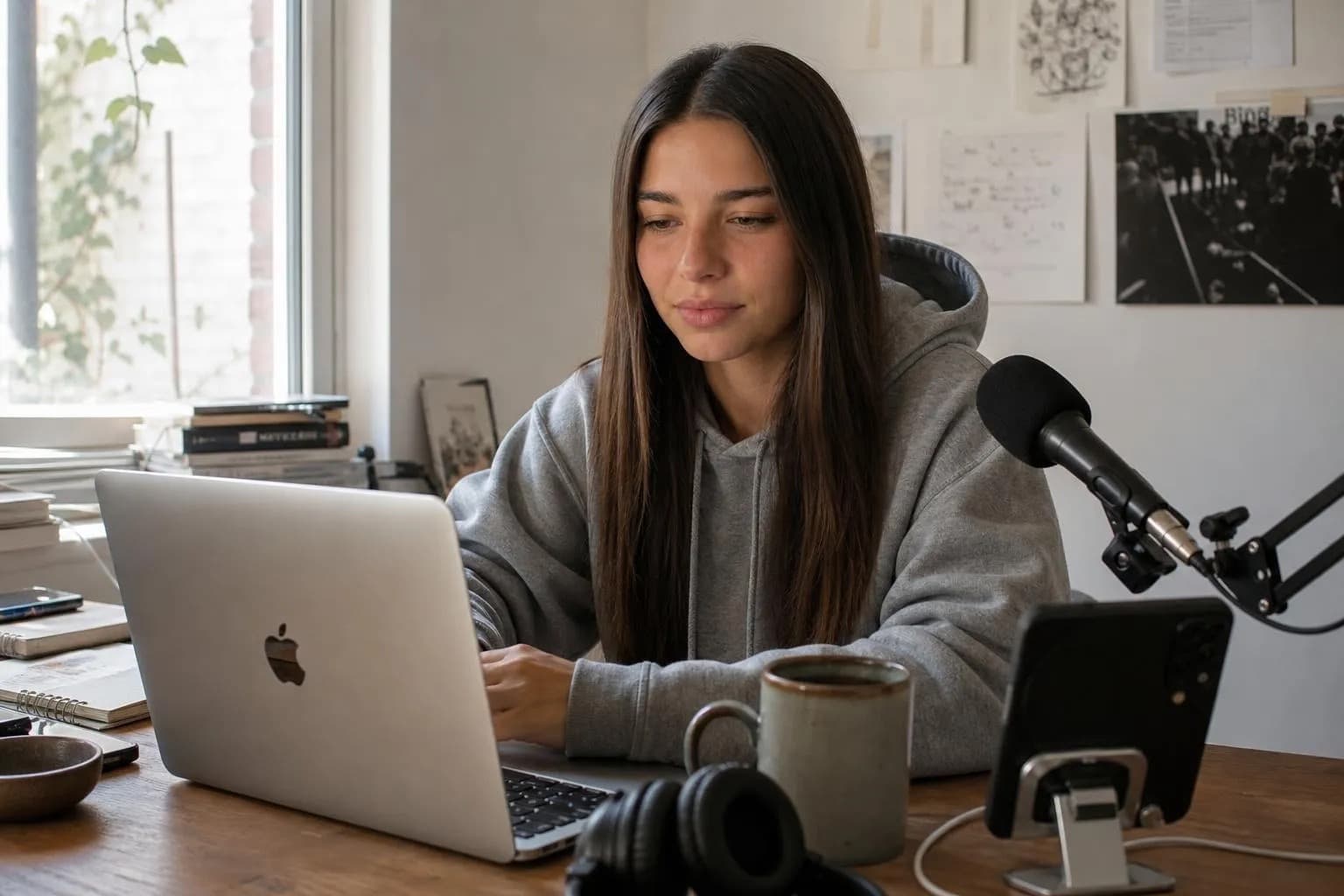
A practical 2026 creator stack: scripting, voice, visuals, distribution, and the one layer most AI tools miss. Find the best AI tools for content creators here.

Need an AI disclosure statement? Copy-paste templates for Instagram, YouTube, TikTok, and bio. Learn what the FTC, platforms, and EU AI Act require.
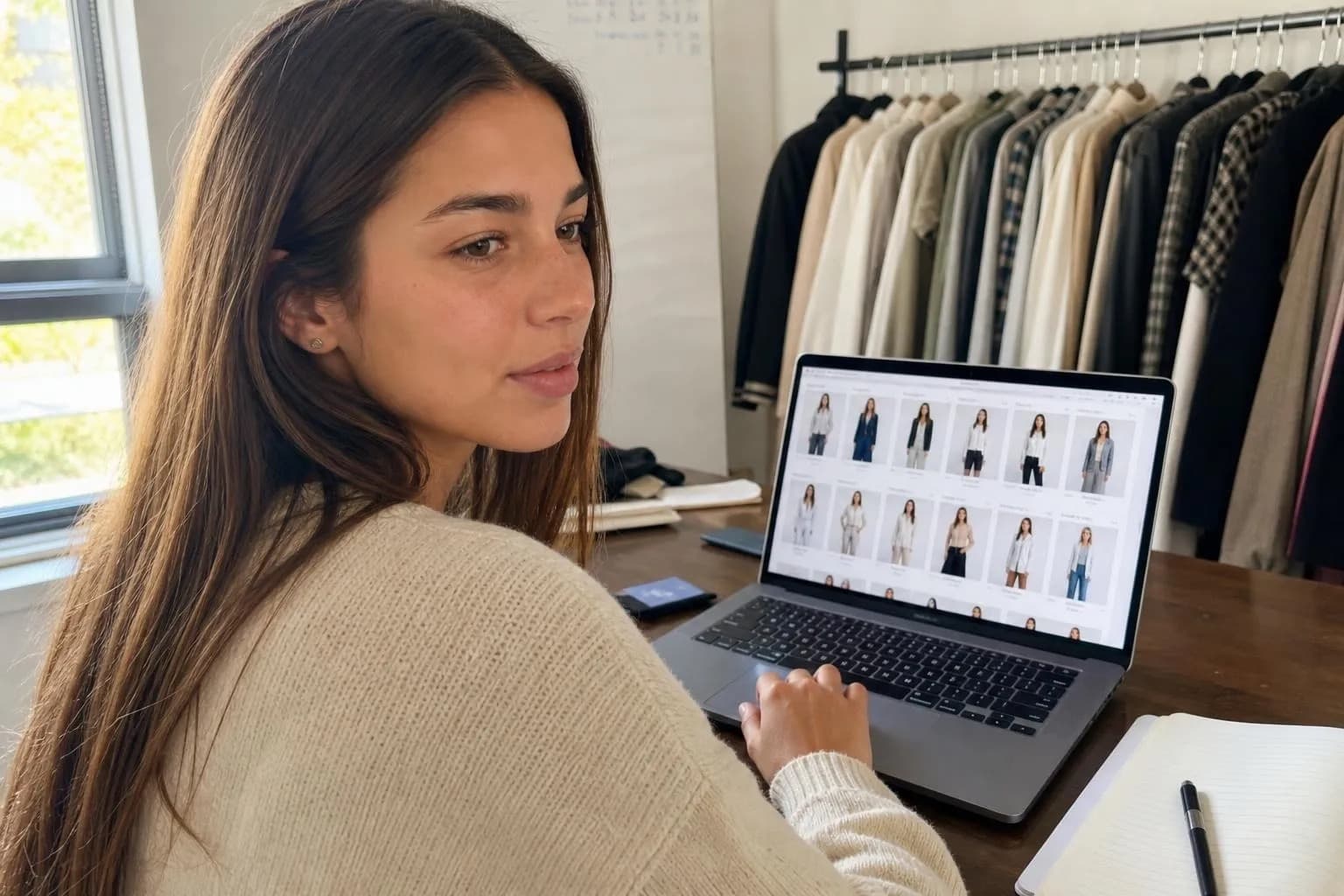
Run an AI photoshoot for your clothing brand: one consistent AI model wearing every garment in your catalog, no studio, no booking, no shoot. How the workflow runs and what it costs.

Under the EU AI Act, creators must disclose AI-generated deepfakes and synthetic media from August 2026. Here is who must comply, exceptions, and rules.

Can you copyright AI-generated images? US courts and the Copyright Office say a bare prompt does not grant copyright. Who owns AI art, and what you can protect.

Most AI tools merge or clone faces when you add a second character. Here is why it happens and how to place two distinct, consistent AI characters in one image.

AI product photography drops the cost of a product image from hundreds of dollars to about one. How it works, where it fails, and what Amazon and Shopify allow.
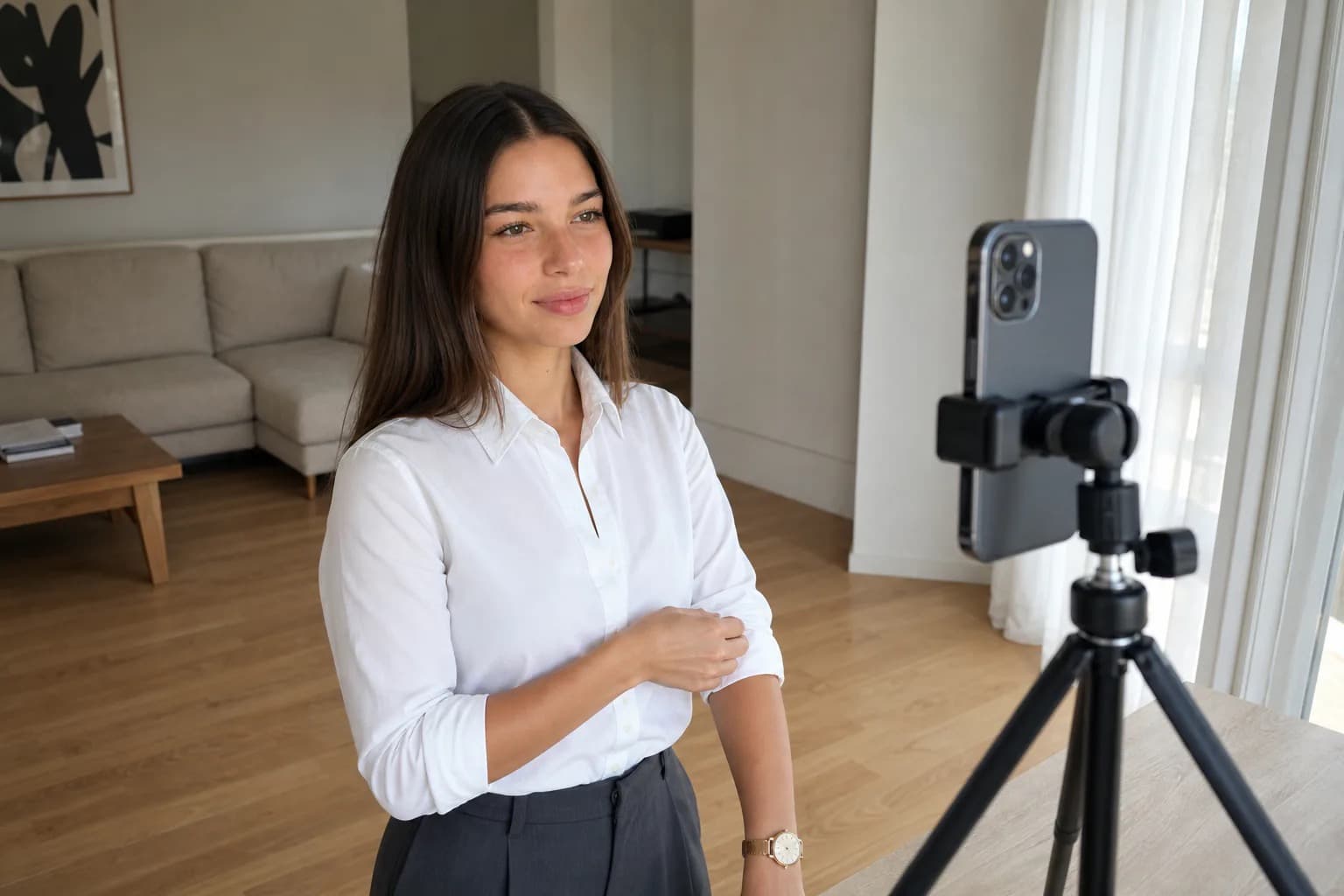
Virtual influencers win on volume, consistency, and cost; human creators win on trust and conversion. See which fits your brief and when to combine both.

Most AI influencers earn nothing at first; breakouts make $500 to $10,000 a month within a year. Real numbers, revenue streams, and what drives earnings.
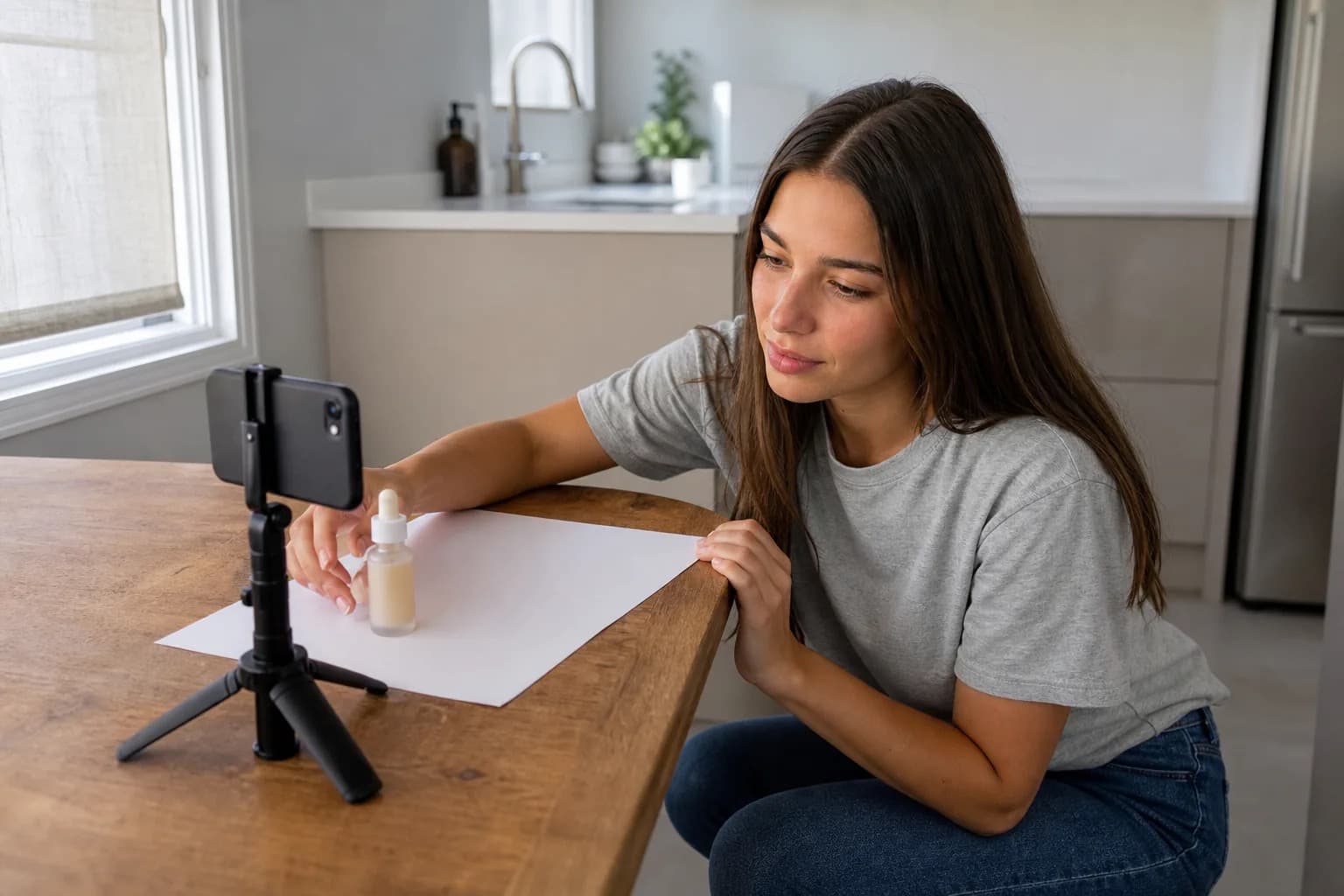
Amazon's main image rules, the specs that get listings suppressed, and how sellers now produce compliant white-background and lifestyle shots cheaper with AI.
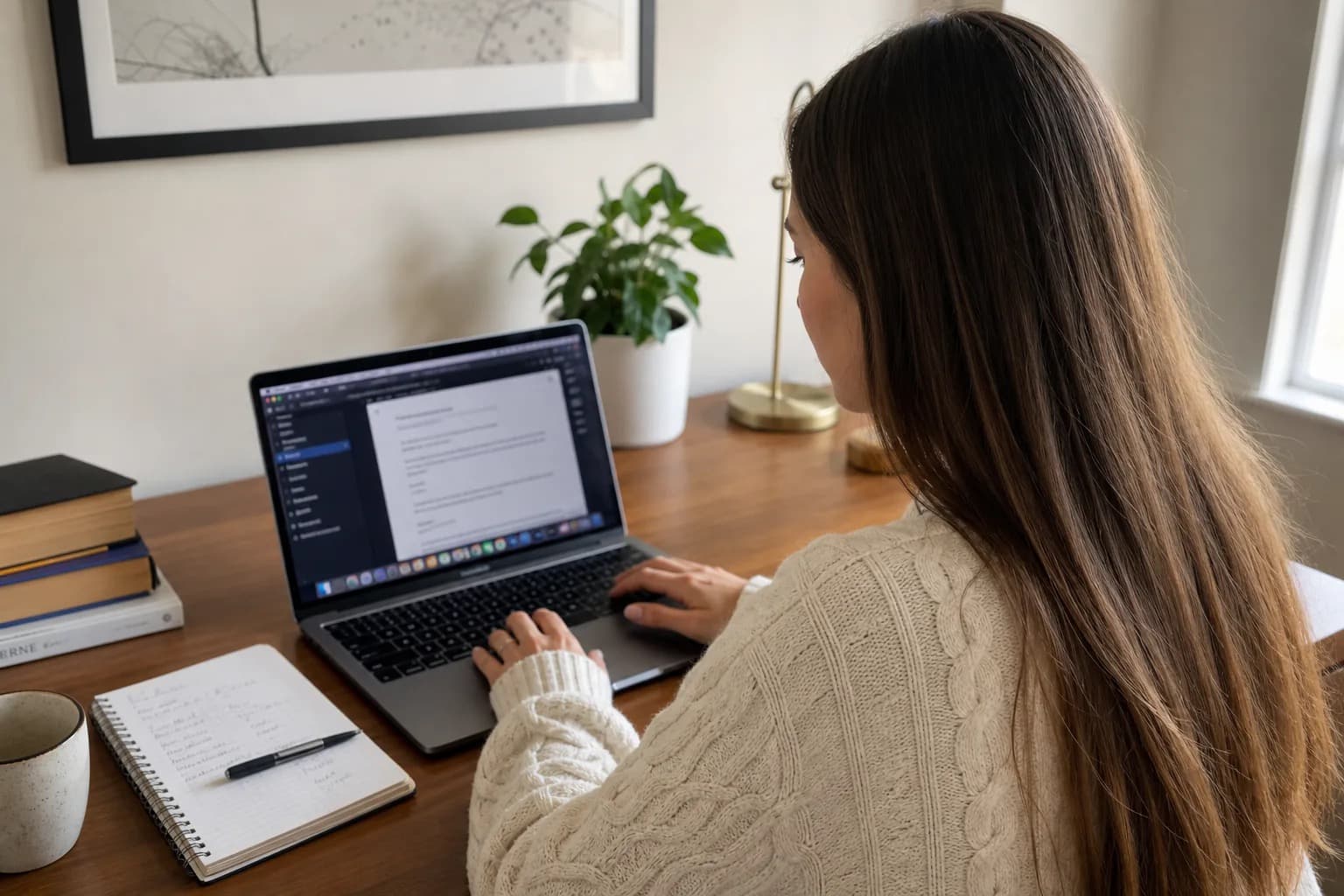
Twenty-five faceless YouTube channel ideas, filtered by what advertisers actually pay and whether you can produce them consistently without ever showing your face.
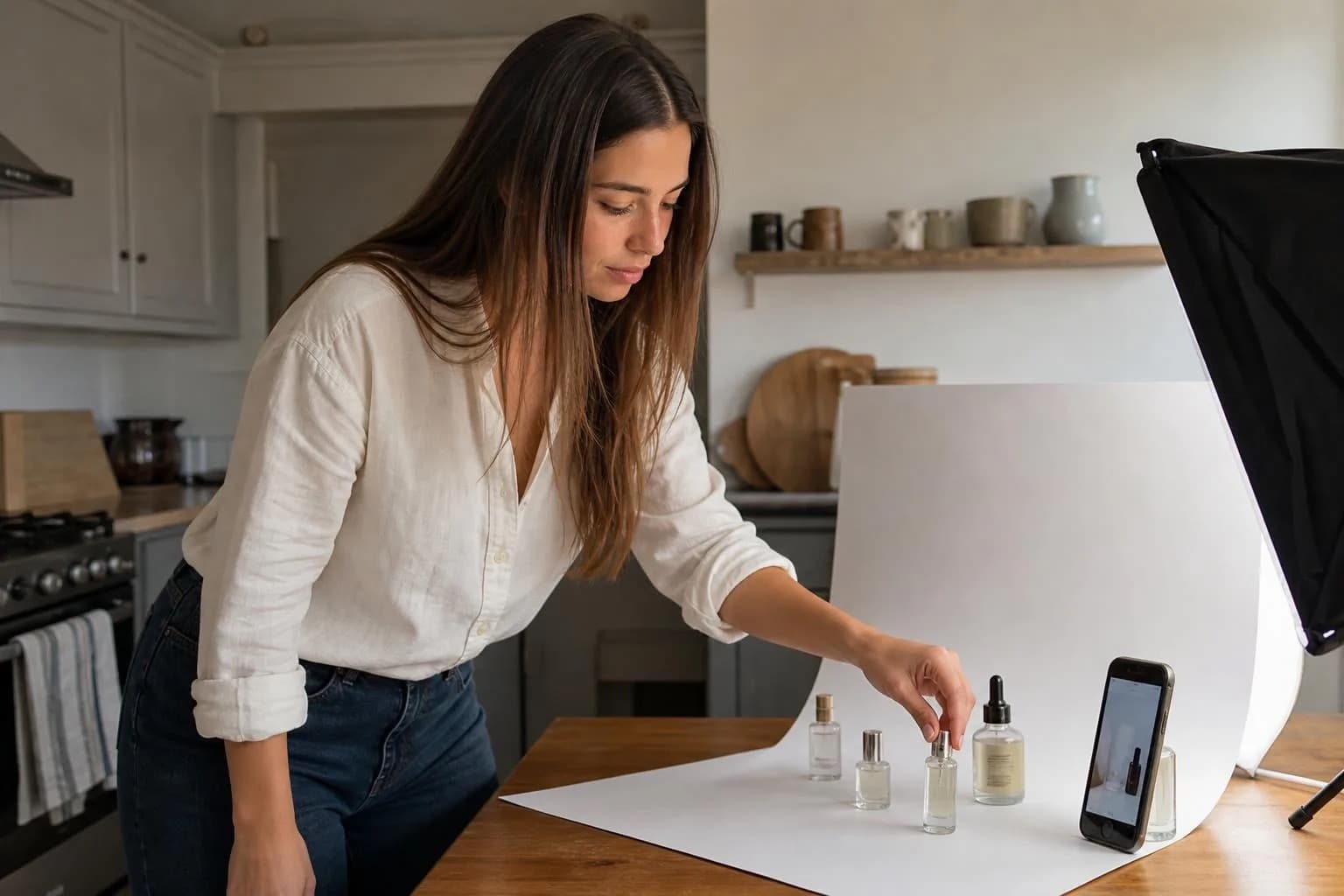
The full setup for ecommerce product photography: equipment, lighting, real studio costs, and where AI closes the expensive lifestyle gap at a fraction of the price.
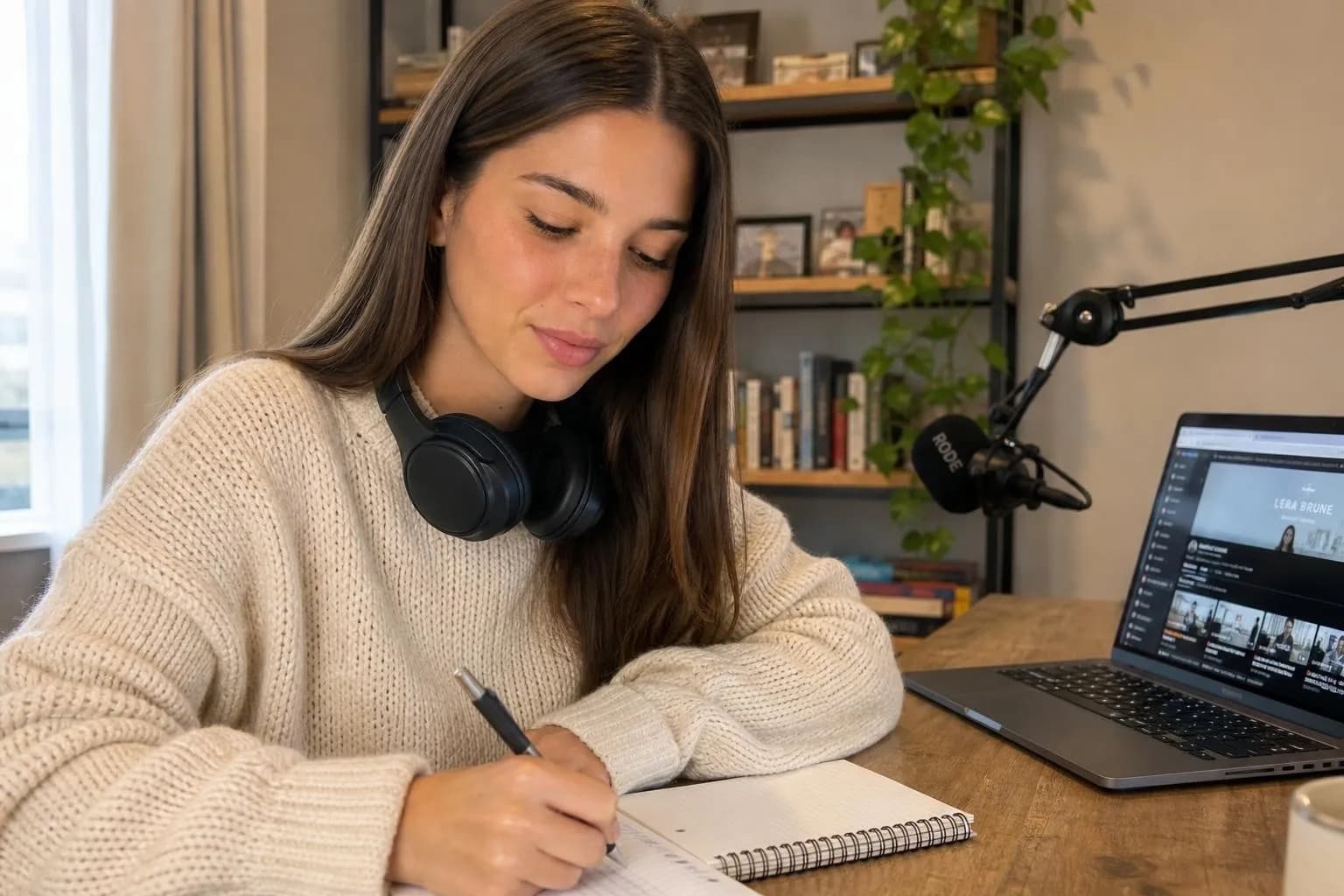
A faceless YouTube channel doesn't need to lack identity. Here's how to run one with a consistent AI host that viewers recognise and return for, without you ever going on camera.

AI builds lifestyle product scenes from one photo of the item, in minutes and for cents. What it does well, where studio shots still win, and how to keep one model.
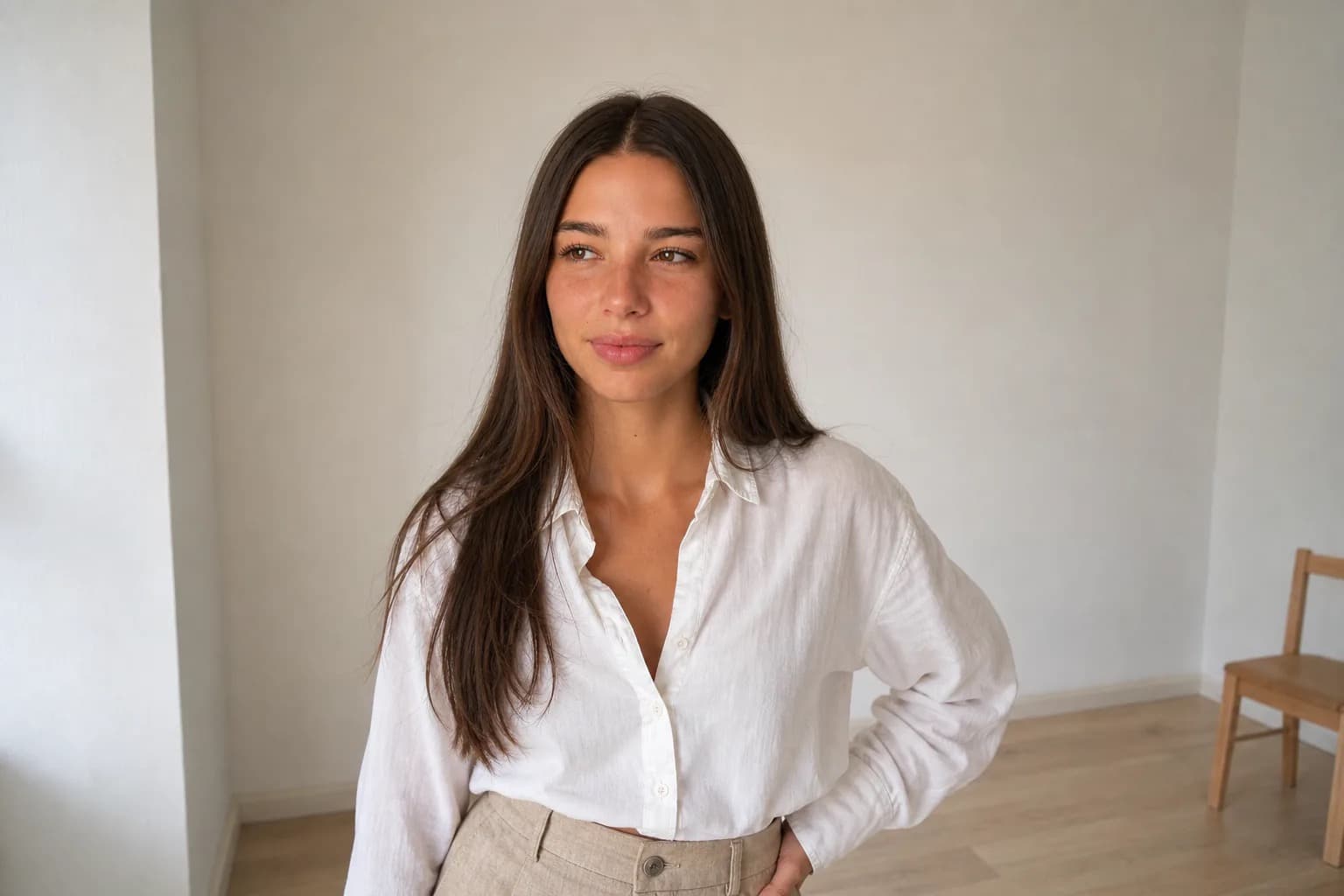
An AI-generated character can front a social series, model products, and run an influencer account. The real use cases, and why consistency makes them work.

Faceless digital marketing lets you grow an audience and sell products without being camera-ready. What works, what pays, and how AI makes it easier.
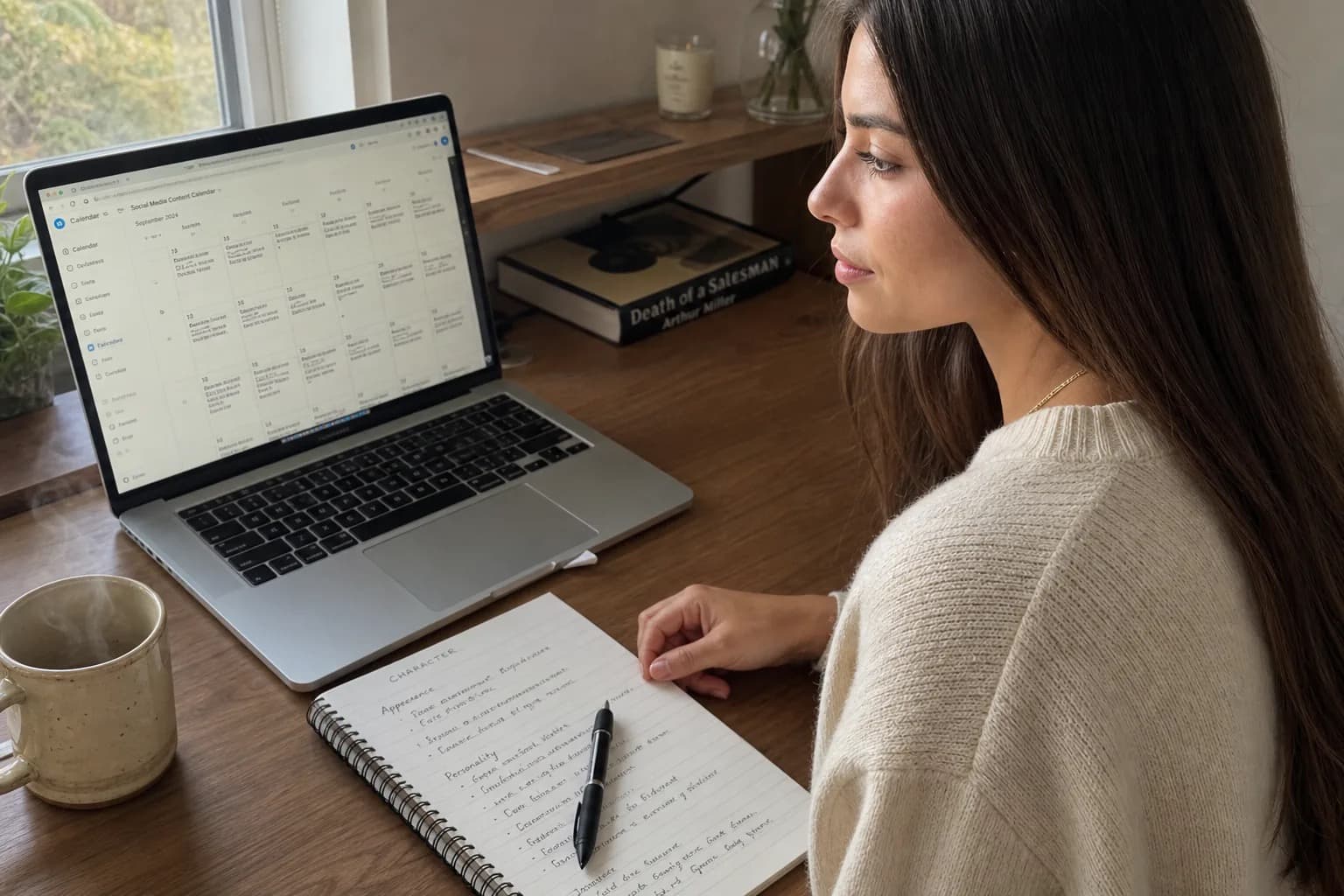
What an AI influencer is, how a computer-generated character grows an audience and lands brand deals, and why holding one consistent face is the hard part.
Most free AI influencer generators watermark or cap you at one face. See which tools are actually free, what the limits are, and when a paid plan pays off.
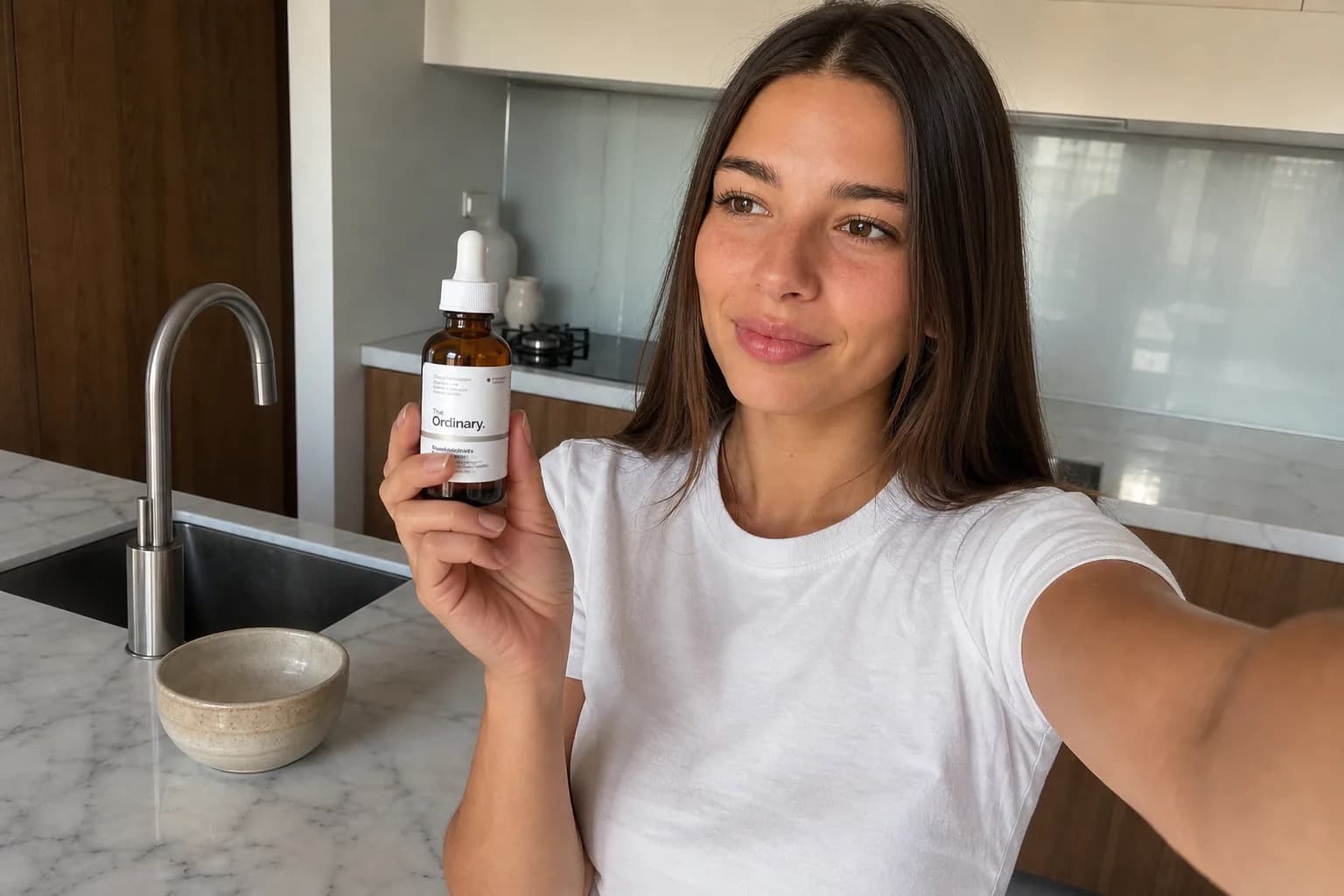
The best UGC platforms for paid brand deals in 2026, broken down by what each is actually good for: brand reach, job volume, vetted campaigns, and ad content.
Commercial photography sells the brand; product photography shows the object. See how the two differ, what each delivers, and which one your brand needs.

You can create a consistent AI character for free, up to a point. See the honest free options, where they hold a face, and where the free route breaks down.

Every AI influencer is a virtual influencer, but not the reverse. How the two differ in production, cost and speed, and which one is worth building in 2026.
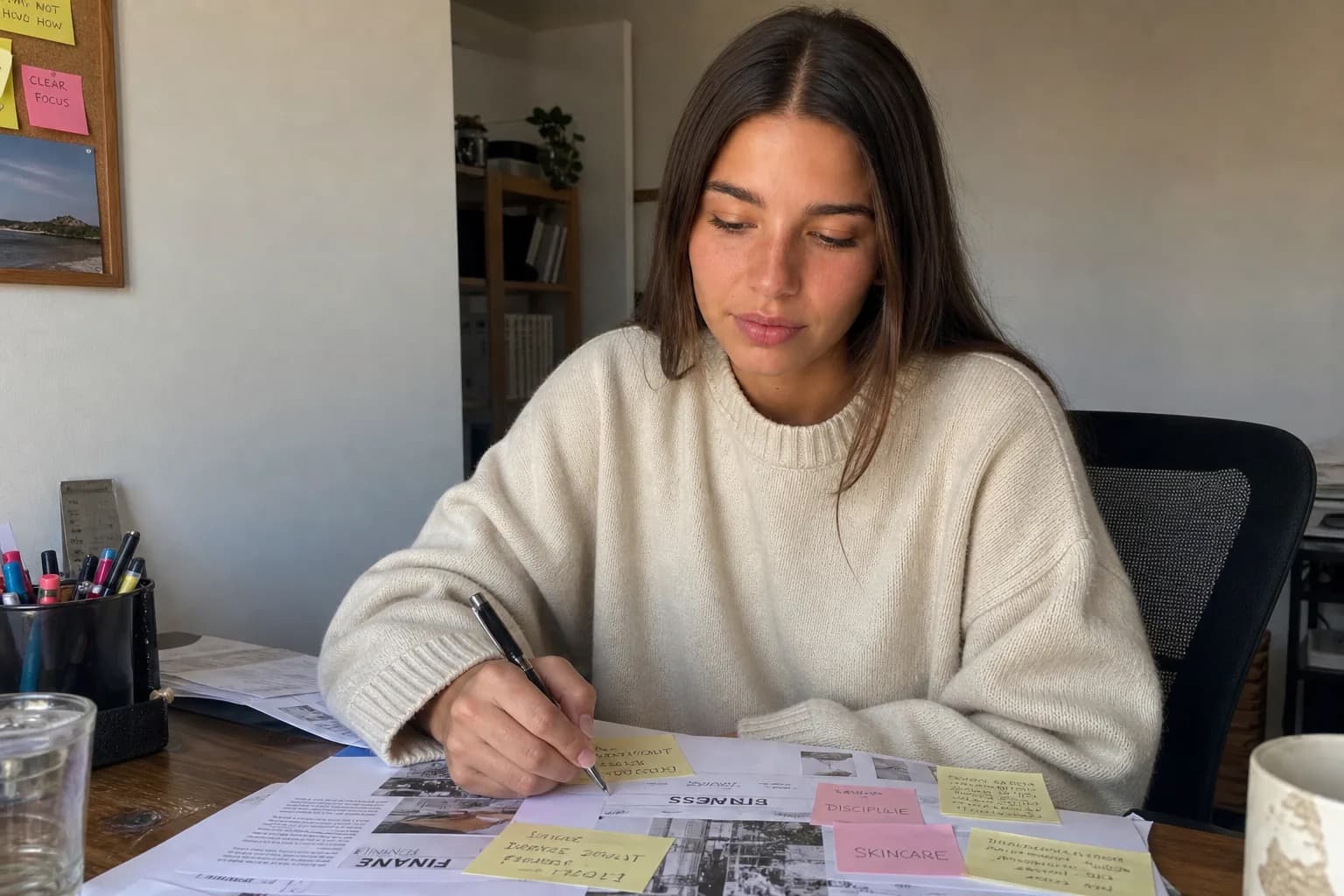
The niche decides whether an AI influencer earns anything. The three tests a niche has to pass, which ones are saturated, and how to validate before you build.

Where UGC creator jobs actually come from, what brands want to see before hiring, beginner rates, and how to build the portfolio that gets you the first brief.

AI UGC is AI-generated content made to look like real user posts. What it is, how brands use it for ads and testimonials, and the disclosure rules to follow.
One email a week with the best from the blog, every Monday.
By subscribing you agree that your email address is sent to Resend Audiences (our email-delivery processor) to receive Cladegrove editorial updates. You can unsubscribe any time from the link in every email. See our Privacy Policy for details.
Unsubscribe anytime. See the Privacy Policy.