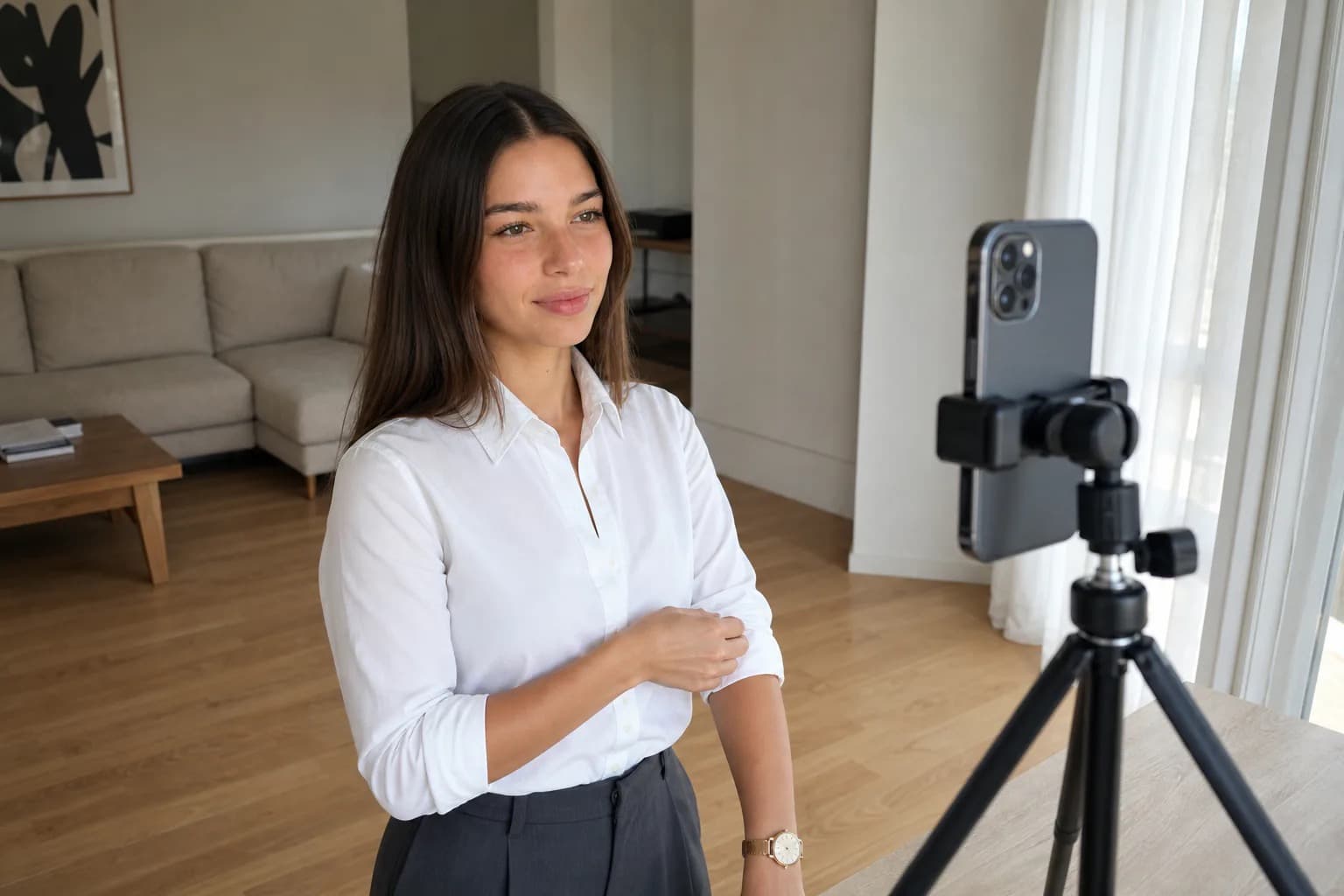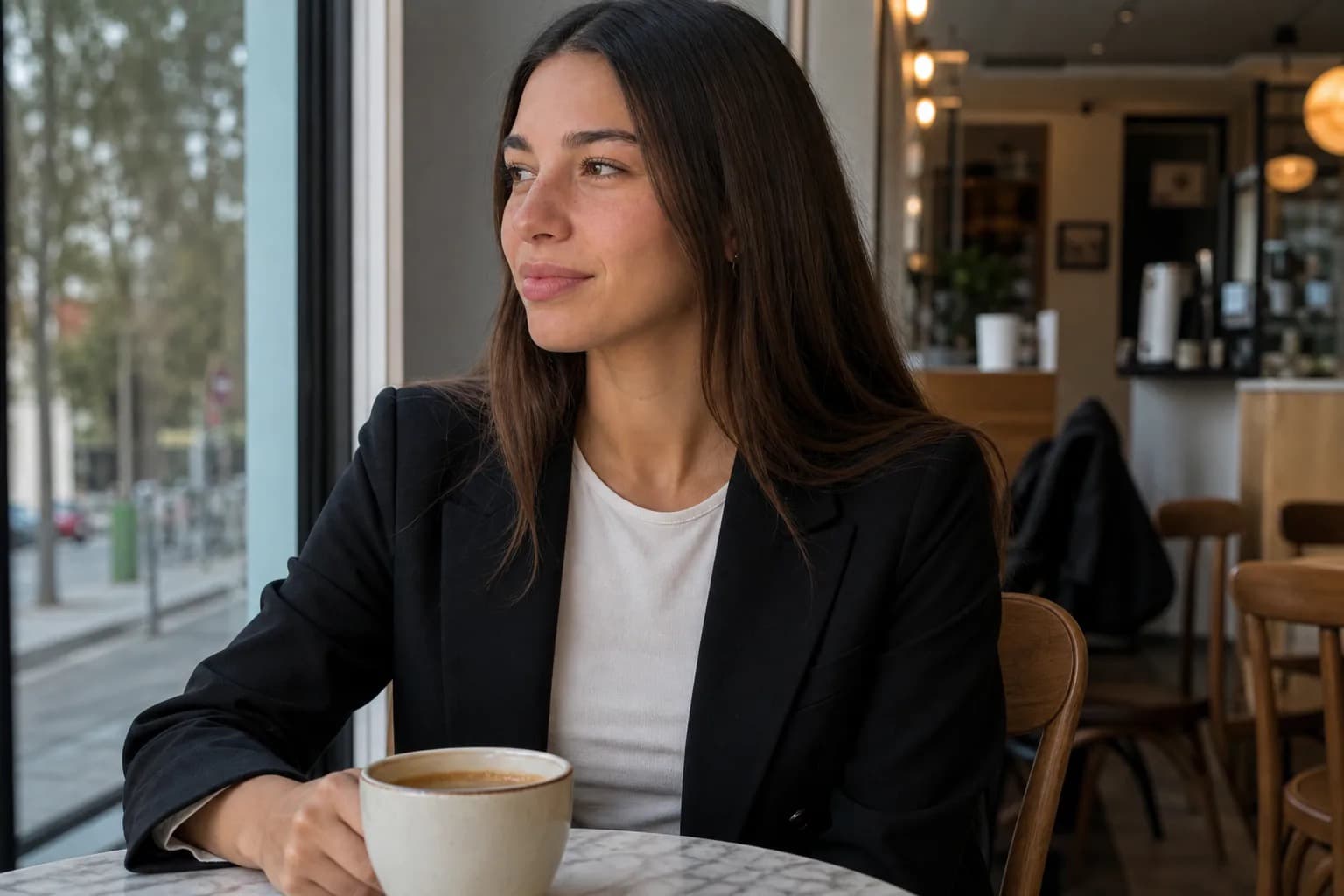
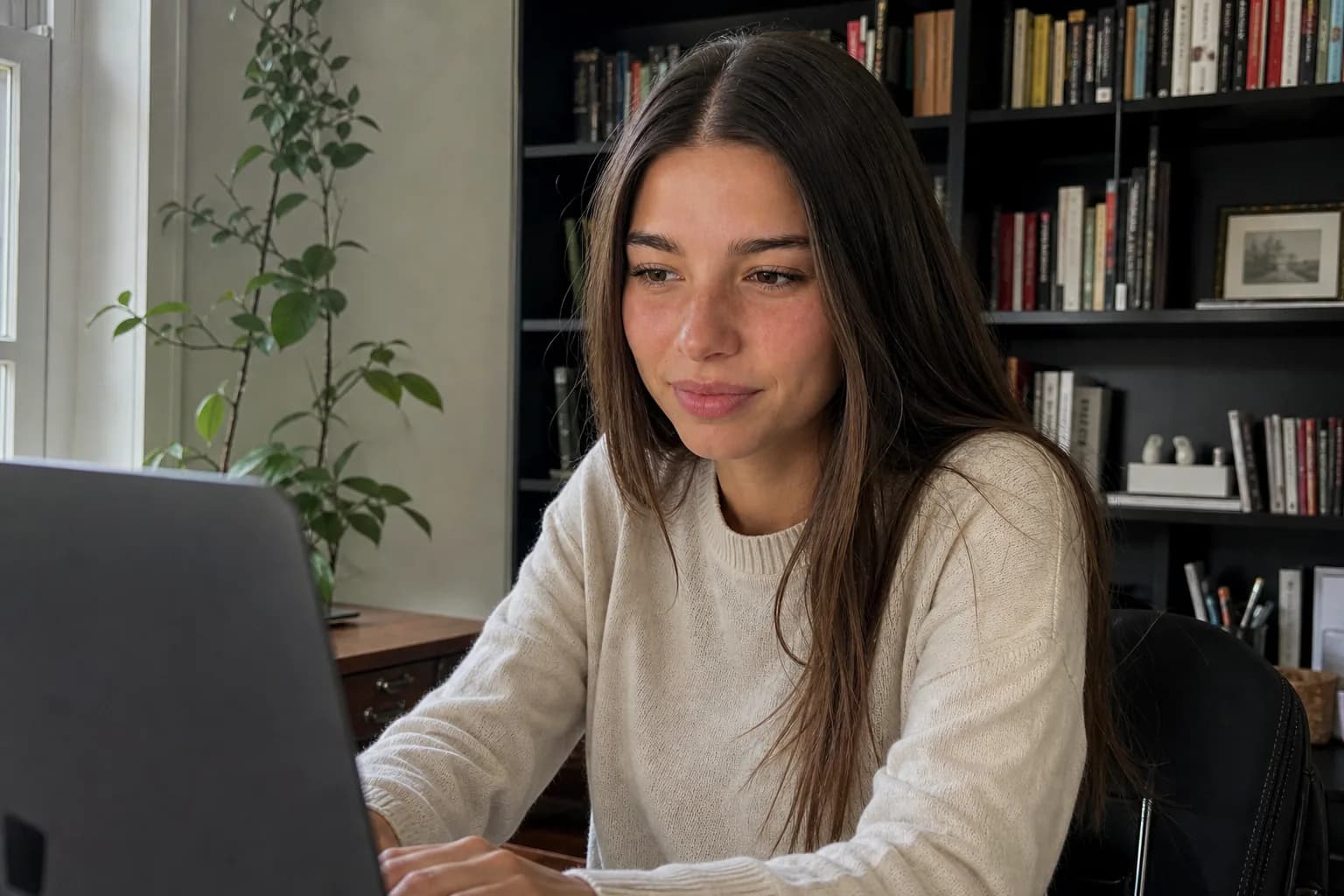
Yes, free AI influencer generators exist, and a few of them produce convincing faces without asking for a credit card. The catch is consistency. A free tool will hand you a great face today and a stranger tomorrow, because most of them generate a new person every time you press the button. If you need one image, free is fine. If you need the same character across thirty posts, the free tier runs out of road fast. Here is what the options actually look like in 2026, and where the walls are.
What does free actually mean for an AI influencer generator?
Free almost never means unlimited. It usually means one of three things, and the difference matters before you commit a weekend to a tool.
The first kind is a free trial: a handful of credits or images, then a paywall. The second is a free tier that stays free but caps you, on resolution, on the number of generations per day, or on whether you can use the result commercially. The third is open-source software you run on your own machine, which costs nothing in subscription fees but costs you a capable graphics card and a few hours of setup.
None of these is a scam. They are different trades. A trial lets you test quality. A capped free tier lets you post occasionally. Self-hosting gives you full control if you have the hardware. The mistake is assuming free means free forever, no limits, commercial rights included. That combination is rare, and the tools that advertise it loudest usually bury the exception in the fine print.
Which free options exist, and do any work with no sign-up?
There are roughly three classes of tool, and it helps to know which one you are looking at.
General image generators with a free tier can make a single realistic person from a text prompt. They are free to start, but they were not built to keep one face stable, so the same prompt gives you a different person on each run. This is the same structural problem ChatGPT users run into when trying to hold a consistent character: the image model is stateless, and no prompt wording fully solves it. Dedicated influencer and avatar apps are built for this on purpose, and most offer a free trial rather than an open free tier, because the compute behind a realistic face is expensive to give away. Open-source models you install yourself are free in the licensing sense and can be steered toward one face with extra tools, but the setup is a project, not a click.
No-sign-up options do exist among the general generators, where you type a prompt and get an image in the browser without an account. They are the most limited of the bunch: lower resolution, slower queues, and no way to save or reuse a character. Useful for a test. Not useful for a feed.

What can you do for free, and what gets blocked?
On a free plan you can usually generate faces, try a few styles, and see whether the quality clears your bar. That part works. The limits tend to cluster in the same places.
Watermarks are common on free tiers, stamped on the image so the output advertises the tool. Resolution is often capped below what a clean Instagram post wants. Daily or monthly generation limits cut you off after a small number of images. Commercial use is frequently restricted on the free plan and only unlocked when you pay. And the one that ends the experiment for most people: a free tier rarely lets you lock a character, so you cannot reliably get the same face twice.
That last limit is the real wall. A one-off portrait is easy. A recurring influencer who looks like herself in every post is a different problem, and it is the problem free tools are worst at. The structural reason is that most generators are stateless: how Cladegrove locks a character's identity explains what that actually means and why re-uploading a reference image is not enough on its own.
How do you create a consistent AI influencer for free, step by step?
You can get surprisingly far before you spend anything. Here is a realistic path.

- Pick a free generator and define the face. Write a detailed description, including age, build, hair, and face shape, and generate until you get a person worth building on.
- Save your best reference image. This single frame becomes the anchor you try to reproduce. Without it you start from zero every session.
- Reuse the reference instead of re-prompting from scratch. Tools that accept an image input stay closer to your character than tools that only take text. Feed the reference back in for each new shot.
- Keep the wording identical. Change the scene, keep the character description word for word. Drift in your prompt becomes drift in the face.
- Cull hard. Generate several options per shot and keep only the frames that match. On free tools you will throw a lot away.
This works for a small batch. It also shows you exactly where the free approach breaks: the face holds for a few images, then slips, and you spend more time culling mismatches than posting. For a clear picture of what the persona actually is before you build it, what an AI influencer is and how it works is a useful starting point. For the full build walkthrough, see how to create an AI influencer with a consistent face.
When does a free plan stop being enough?
The moment you need volume and consistency at the same time. A free tier answers one question well: do I like what this produces? Once the answer is yes and you start posting on a schedule, the daily caps, the watermarks, and the face drift turn into a daily tax on your time. And beyond consistency, there is a second problem worth solving before you commit to a persona: most AI tools default to an over-polished, cinematic look that reads as obviously synthetic on a real feed. Why AI photos look fake on social and what fixes it is the companion problem to face consistency, and both need solving before an AI influencer account can compete.
The honest math is about hours, not only money. If you spend three hours culling mismatched faces to get five usable posts, the free tool is not free. You paid for it with your evening. A plan built to hold one character across every shot removes the part you were fighting, which is keeping the influencer recognizable from post to post, and the free account lets you test that consistency before you pay for anything.
That consistency problem is the reason Cladegrove exists. Built as a consistent character generator, it holds one character, the face, the styling, and the overall look, across every image you generate, so the same influencer shows up shot after shot instead of a new lookalike each time. The AI influencer generator is where that engine goes to work for a persona built to earn. Test the idea for free elsewhere. Move when keeping the face becomes the actual work.
Common questions
Can you use a free AI influencer generator for commercial content?
Sometimes, but read the license first. Many free tiers limit commercial use and only allow it on a paid plan, and the rule varies from tool to tool. Check the specific terms before you sell anything or run ads with the output, because these policies change often.
Do free AI influencer generators add watermarks to images?
Often, yes. A visible watermark is one of the most common free-tier limits, since it advertises the tool on every image you post. Paid plans usually remove it. If a clean, unbranded image matters for your feed, confirm whether the free tier watermarks before you build on it.
Is there an AI influencer generator that is free with no login?
A few general image generators let you create a person in the browser without an account. They are the most limited option, with lower resolution and no way to save or reuse a character, but they are genuinely free and need no sign-up for a quick test.
What is the difference between a free and a paid AI influencer generator?
Free gets you a face and a sense of the quality. Paid usually adds higher resolution, no watermark, commercial rights, more generations, and the feature that matters most for a persona: locking one character so it stays the same across posts. The gap that matters is consistency and rights, more than image count.
How many images can you generate for free before hitting a paywall?
It depends entirely on the tool. Trials often give a fixed number of credits, anywhere from five to a few dozen, then stop. Capped free tiers reset a small daily or monthly allowance. There is no standard number, so check the limit before you plan a batch around it.