The best UGC platforms in 2026 depend on what you want out of them. For the largest pool of brands to pitch, Collabstr. For the largest pool of jobs and product-based tasks, JoinBrands. For vetted, higher-budget campaigns, Trend. For applying to brands directly, Pitchlo. For paid social ad content specifically, Billo, Insense, and Influee. The right one for you is the one that matches your goal, whether that is volume, vetted quality, or ad-specific work, rather than the one advertising the most listings. Below is the breakdown of each and who it suits, so you can pick without signing up for ten of them at once.
What are the best UGC platforms to actually get paid deals in 2026?
There are dozens of marketplaces, but a handful carry most of the real paid volume. These are the ones worth your time, and what each is actually good for.
- Collabstr is best for reach into brands. It has one of the largest brand pools, and creators list a profile with packages that brands book directly. Good for a steady stream of inbound once your profile is solid, and beginner-friendly because the barrier to listing is low.
- JoinBrands is best for volume and product work. It leans toward task-style and product-based gigs, so there is a lot of it, and you can rack up jobs and reviews quickly. Pay per job trends lower, but the sheer number of briefs makes it a good place to build a track record.
- Trend is best for vetted, higher-budget campaigns. It curates creators rather than letting everyone in, so acceptance is harder, but the campaigns tend to come from more established brands with bigger budgets. Better once you have a portfolio than as a first stop.
- Pitchlo is best for direct brand-to-creator applications. Instead of waiting to be booked, you pitch yourself to briefs, which rewards creators who write a strong application and want to be proactive rather than listed and waiting.
- Billo is best for paid social ad content. It is built around UGC-style video ads for ecommerce and direct-to-consumer brands, so the work is ad creative with clear specs rather than organic-feeling posts. Reliable, brief-driven, and steady if you like structured ad work.
- Insense is best for connecting UGC with paid ad workflows. It links creators to brands running ads on major social platforms and often ties the content to whitelisting and paid campaigns, which suits creators comfortable with an ad-production process.
- Influee is best for creators outside the US who want a marketplace built with Europe in mind. It runs UGC video campaigns with a strong European brand base, covered more below.
A practical note on all of them: exact pay and campaign counts shift constantly, so treat any specific number you read, here or elsewhere, as a rough guide and check the platform's current terms before you build a plan around it. If you are new to the whole idea of this work, what a UGC creator is and how to become one is the place to start before you pick a platform.

Which UGC platform is best for beginners with no portfolio yet?
The ones with the lowest barrier to entry and the most jobs, because your first goal is proof of work, not top rates. Collabstr and JoinBrands fit this best. Collabstr lets you list a profile and packages without gatekeeping, so you can be discoverable on day one. JoinBrands has enough task-style volume that you can complete several gigs quickly and collect the reviews that make later applications land.
Curated platforms like Trend are worth applying to, but they vet creators, so an empty portfolio is a weak hand there. The sensible order is to earn your first five to ten completed jobs on the open marketplaces, use that work to build a reel, then apply to the vetted, higher-budget platforms with something to show. Rates on these platforms climb with proof of past work far more than with follower count, which is why UGC is accessible to people with no audience at all. The wider range of paid work beyond marketplaces is mapped in where to find UGC creator jobs.

Which UGC platforms pay the most per video?
The higher-paying work concentrates on two types: vetted campaign platforms and ad-focused ones. Trend sits at the campaign end, where curated creators work with bigger-budget brands, so individual jobs tend to pay more than open-marketplace gigs. Billo, Insense, and Influee sit at the ad end, where the content is paid-media creative with defined deliverables, and ad budgets support higher per-video rates than organic posts.
The trade-off is access and effort. Higher-paying platforms are either harder to get accepted onto or expect a more structured ad-production process, while high-volume marketplaces pay less per job but hand you more of them with fewer hurdles. A useful way to think about it: volume platforms build your portfolio and baseline income, and vetted or ad platforms raise your ceiling once you have the reel to get in. Chasing only the top-rate platforms before you have proof of work usually means a lot of applications and few bookings.

Are there UGC platforms outside the US (UK, Canada, Europe)?
Yes, and you do not have to be US-based to work. Several platforms have strong non-US coverage. Influee is built with a European brand base and is a natural fit for creators in the UK, Canada, and continental Europe. Insense and Billo both work with international creators, since ad content is not tied to a creator's location the way an audience-based deal would be. Collabstr and JoinBrands also list creators and brands well beyond the US.
Two things matter more than geography for getting paid abroad. First, payment method: check that the platform pays out to your country and currency before you invest time in a profile. Second, language and market fit: brands usually want content in the language and cultural register of the market they are selling into, so being a native speaker of a non-English market can be an advantage rather than a limitation. Location rarely blocks the work. Payout support and market fit are the real gates.

Do you need expensive gear to get accepted on these platforms?
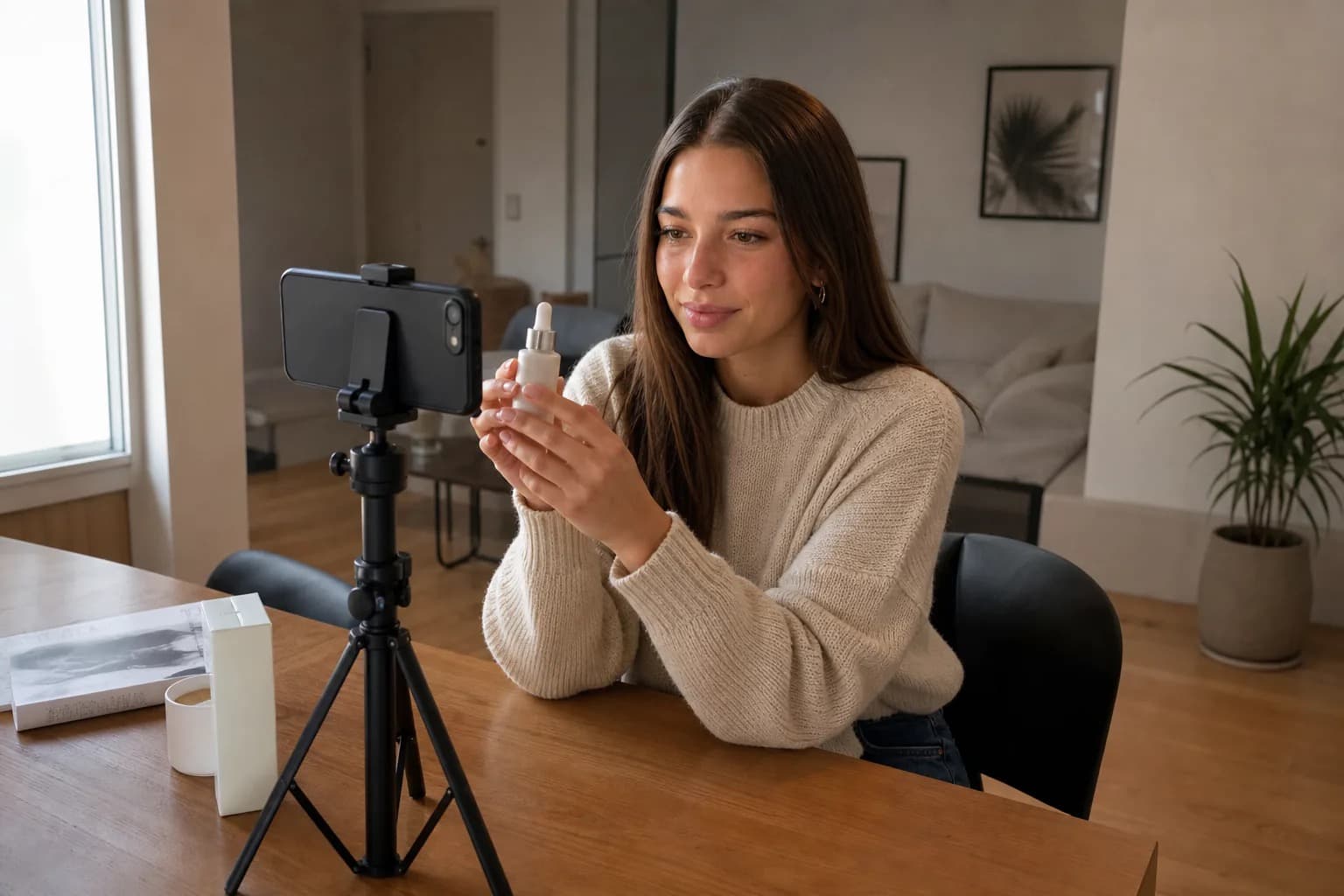
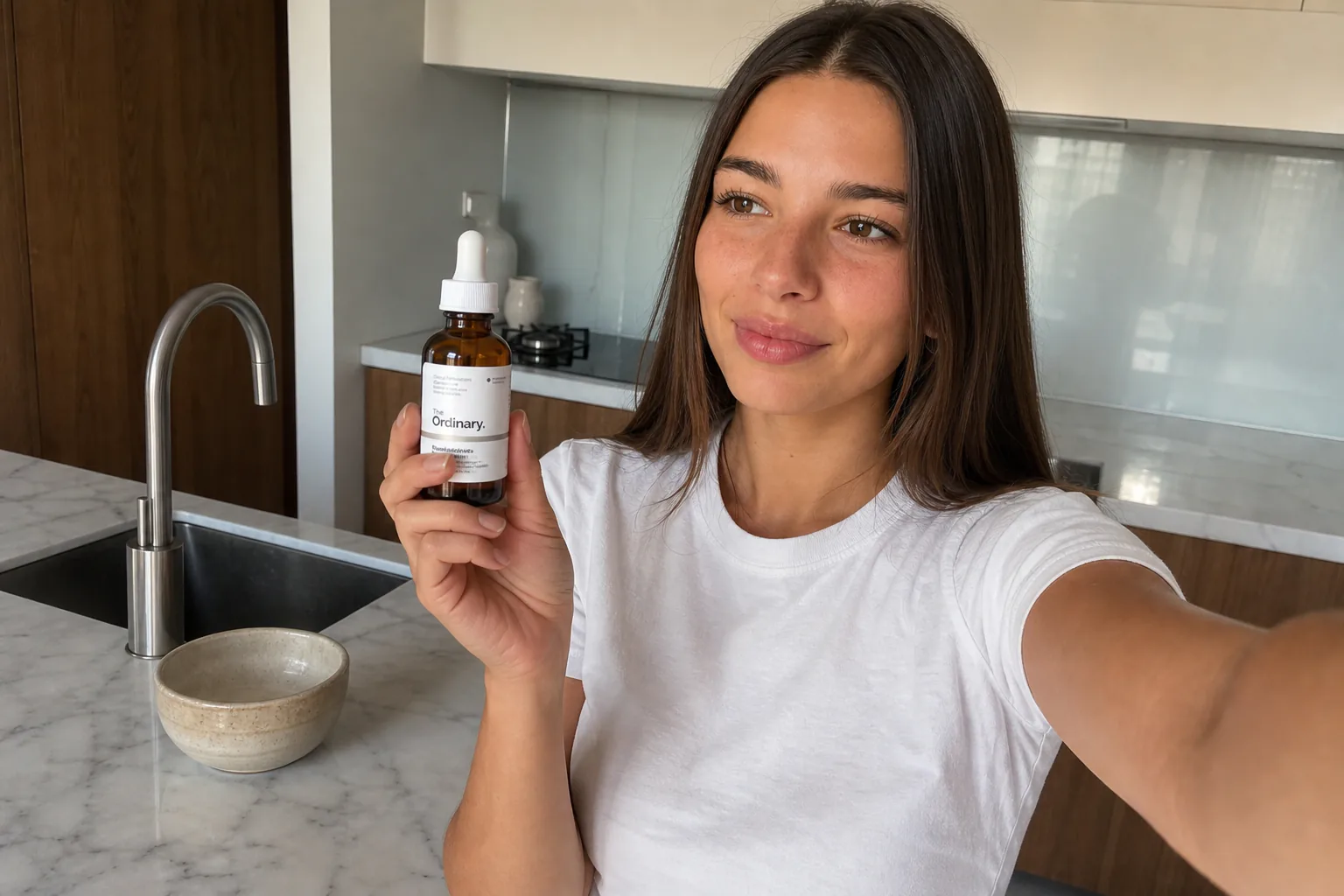
No, and this is one of the more misunderstood parts of UGC. Brands are buying content that looks authentic and native to a feed, not content that looks like a studio ad. A recent phone camera, natural light near a window, and clean audio clear most of the bar. Over-produced footage can actually work against you here, because it reads as an ad rather than as a real person using the product.
What matters more than gear is competent basics: steady framing, decent lighting, audio you can understand, and clear demonstration of the product. Those are learnable without spending on kit. As you take on more work you can add a small tripod, a clip-on mic, and a light, but none of that is an entry requirement, and no reputable platform gatekeeps on equipment. If you would rather stay off camera entirely, plenty of briefs are product-only, and the faceless approach to this work overlaps closely with the same faceless formats creators use on TikTok to build UGC without ever appearing on screen.

For creators who want to produce more UGC-style content without a full shoot for every brief, AI tools now let you generate consistent, on-brand visuals to pair with your footage or to build content around a persona. See how Cladegrove helps creators produce UGC-style content faster. It will not find you deals the way a marketplace does. It handles the production side, so you can take on more of them.
Common questions
Are UGC platforms free to join as a creator?
Most of the major ones are free to sign up and build a profile. They make money by taking a cut of paid jobs or charging brands to post campaigns, not by charging creators an entry fee. Be cautious with any platform that asks a creator to pay upfront to join or to unlock deals, since the established marketplaces do not work that way.
How much can you realistically earn per video on a UGC platform?
It ranges widely by experience and platform, commonly from the low tens of dollars for a first gig to a few hundred per video once you have a portfolio and reviews. Ad-focused platforms and vetted higher-budget campaigns sit at the top of that range, while high-volume marketplaces sit lower per job but offer more of them. Rates rise with proof of past work more than with follower count.
Do UGC platforms require you to show your face?
No. UGC is about content brands can use, not about your personal following, so plenty of work is voiceover, hands-on-product, demo, or lifestyle footage where your face never appears. If you prefer to stay off camera, filter for product-focused and faceless briefs, which are a large share of what brands actually request.
What is the difference between a UGC platform and a UGC agency?
A platform is a self-serve marketplace where you find and apply to gigs yourself and keep most of the pay. An agency represents you, pitches you to brands, and takes a larger cut in exchange for finding and managing the work. Platforms suit creators who want volume and control; agencies suit those who want the sourcing handled and are fine trading margin for it.