
AI UGC and brand models.
Without a contract.
AI UGC is user-generated-style content, product shots, testimonials, and lifestyle photos, created entirely with AI instead of filming real creators. Day rates, model releases, studio bookings, location logistics, retouching rounds: a single brand-aligned image is expensive, and what you actually ship rarely matches what you planned. Cladegrove replaces the photoshoot with a software workflow, with a face you designed, a wardrobe wired to your catalogue, and group scenes generated on demand for every channel and every market. Call it AI UGC or an AI brand model: one consistent face across ads, e-commerce, and product shots, without a shoot.
The line items you stop paying.
A traditional shoot is a stack of invoices that lands before a single asset goes live: talent and crew, studios or locations, retouching, then the long tail of usage rights and re-shoots when a new SKU arrives. Cladegrove replaces that stack with one predictable software cost, and the right column is what stops landing in your inbox.
A single traditional product shoot typically runs €3,000 to €10,000 before usage rights. Cladegrove starts at €19.90/mo.
A face that matches the brief,
not a casting that fits the budget.
The ambassador is designed against your brief (face, hair, styling, presence) and saved as a character profile that every future asset reuses. The same face ships across hero campaign, e-commerce, always-on social and seasonal launches.
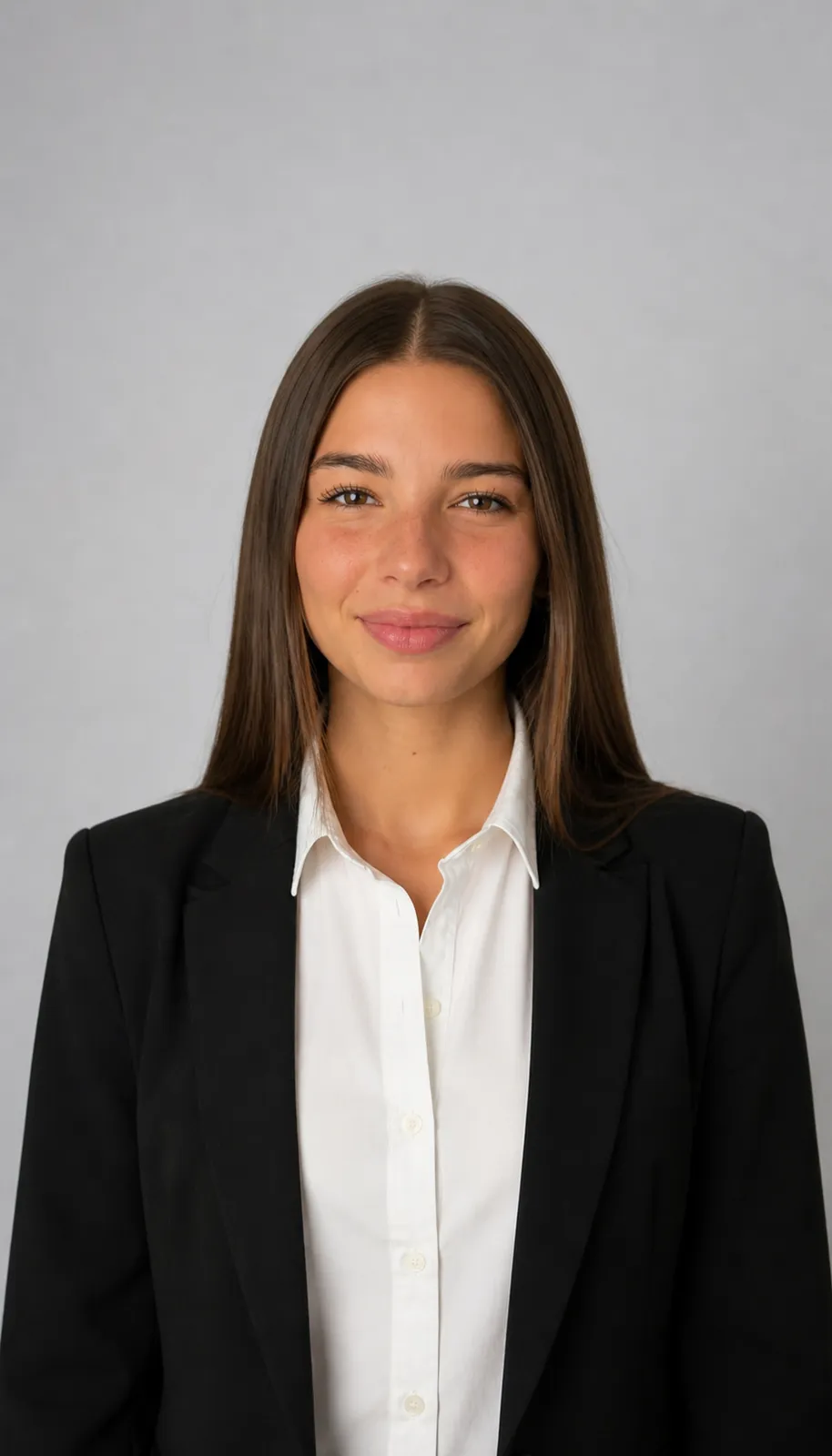
One ambassador.
Designed once, locked by a controlled studio reference shot. Reused across every channel without re-casting, re-booking, or re-licensing.
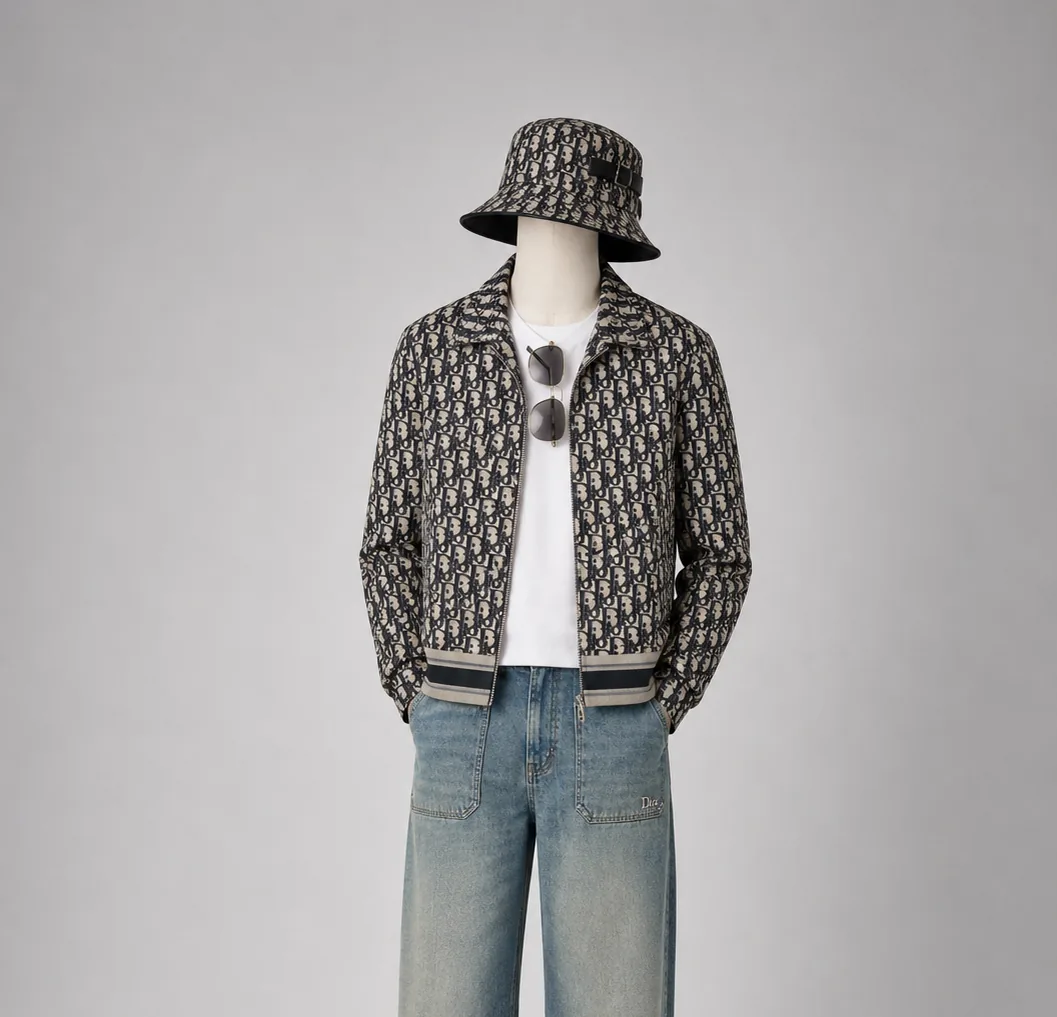
One catalogue.
Wardrobe slots are a staging ground for your SKUs. Save a look as a preset, swap an item, regenerate the asset for the variant, without re-shooting the model.
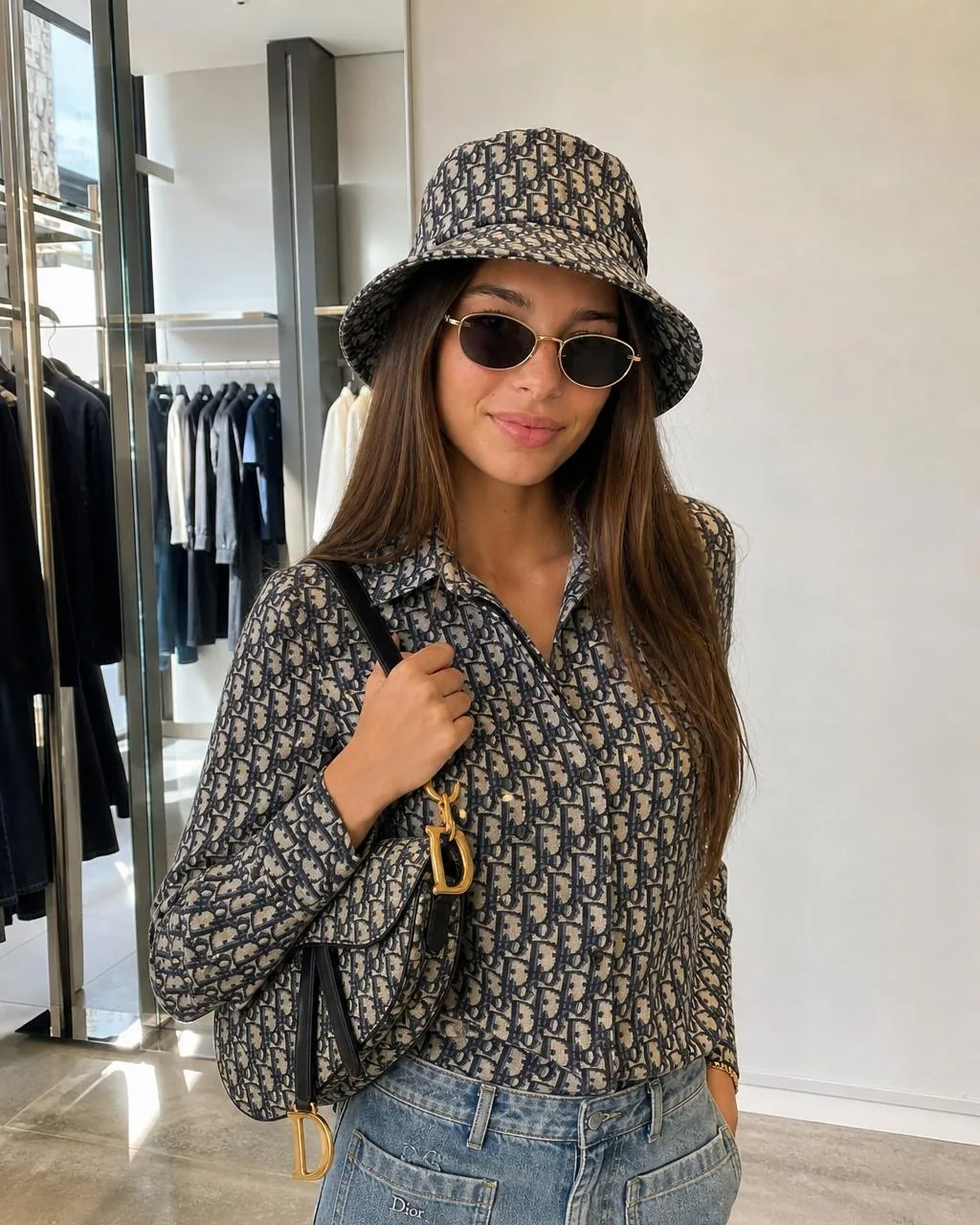
One face. Infinite scenes.
The locked ambassador ships into every scene you brief: hero campaign, e-commerce, always-on social, seasonal launches. Same face, same identity, no re-shoot. Group scenes with up to four ambassadors stay as consistent.
How it works
Most of the time and money in AI photo work goes into rewriting prompts, not into pictures.
Four steps, then the prompts stop coming back.
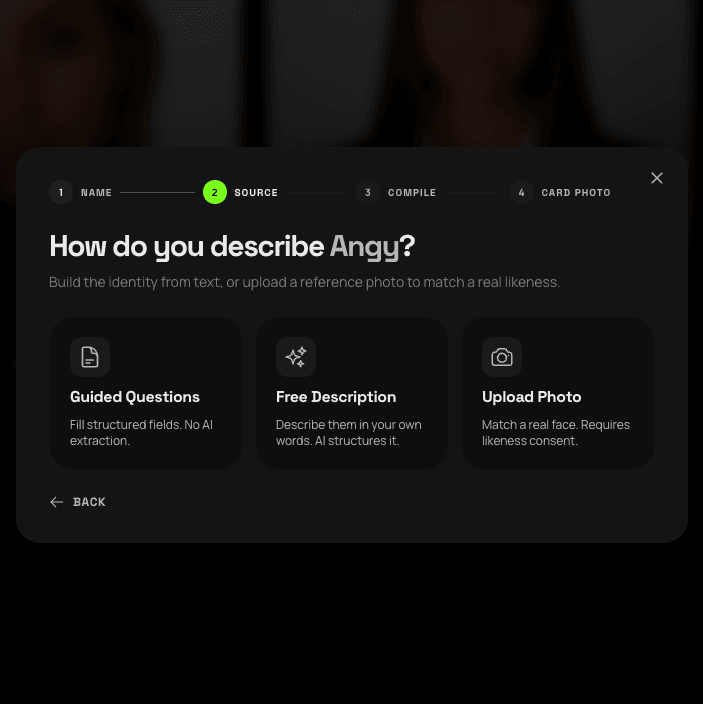
Build the character
A face described once, saved as a record. The starting point becomes a person on file, not a three-paragraph description rewritten at the top of every new prompt.
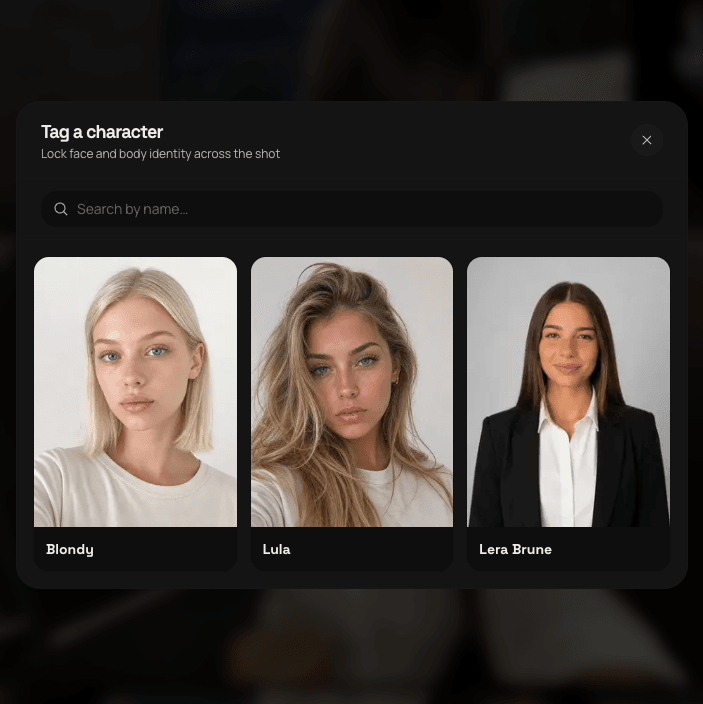
Tag, don’t describe
The character drops into the composer as a tag, not as text. The recurring block that used to define face, hair, build and skin is replaced by a single reference.
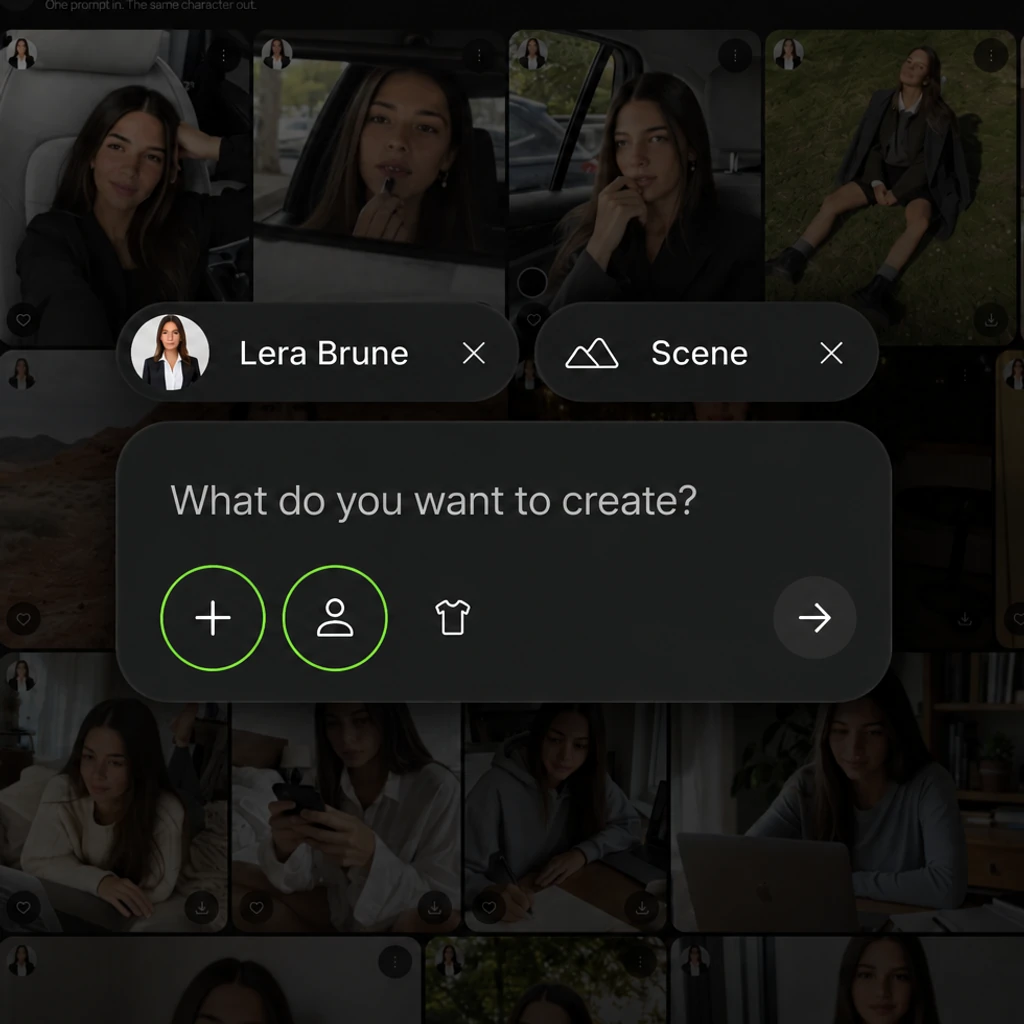
Tag the character, drop the scene
Set the scene two ways: a short prompt with where, mood and what is happening, or just a reference photo. All you need to think about is the scene.
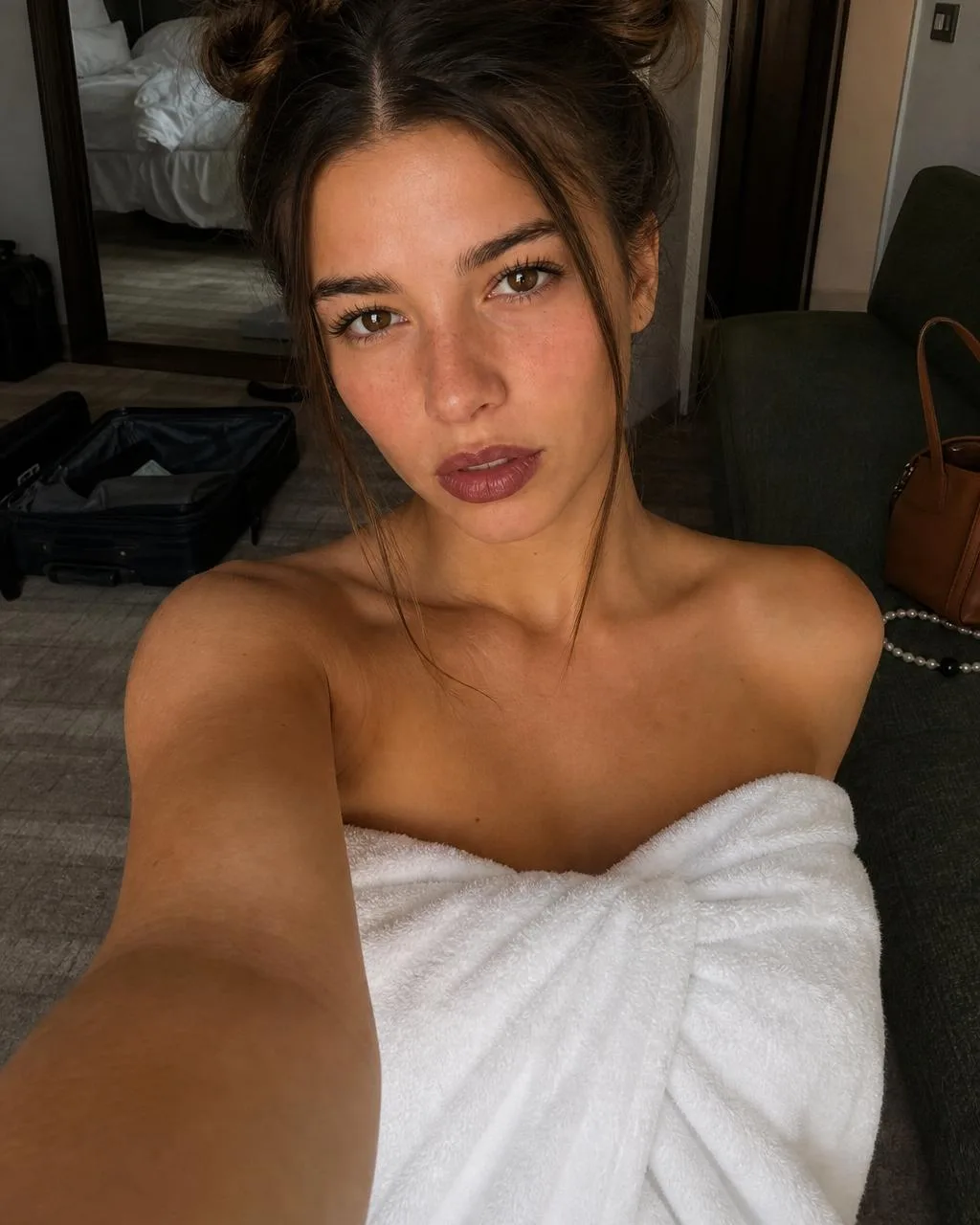
Generate
One click, one photo. The next photo of the same person costs another credit, not another forty minutes of prompt engineering and three discarded variants.
Every other AI photo
has the same tell.
Waxy skin. Glossy highlights that never sit where they should. Pores stamped on like a sticker, freckles airbrushed in a perfect grid, every micro-detail at the exact same intensity. Zoom in once and the photo collapses. The face stops being a face and starts looking like a render.
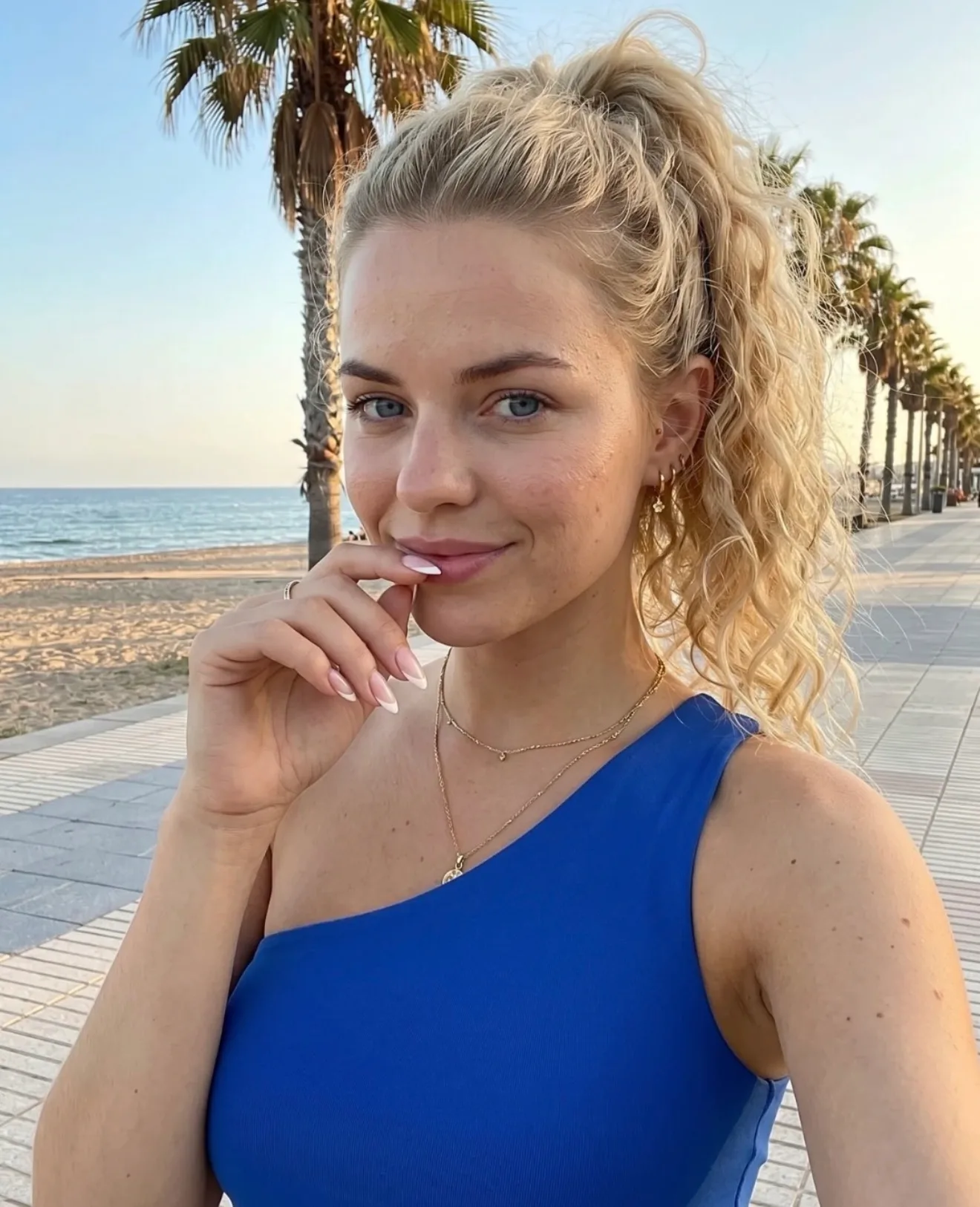
- Waxy, glossy skin
- Painted eyebrows, gridded freckles
- Pores stamped at the same depth
- Flat, plastic-looking light
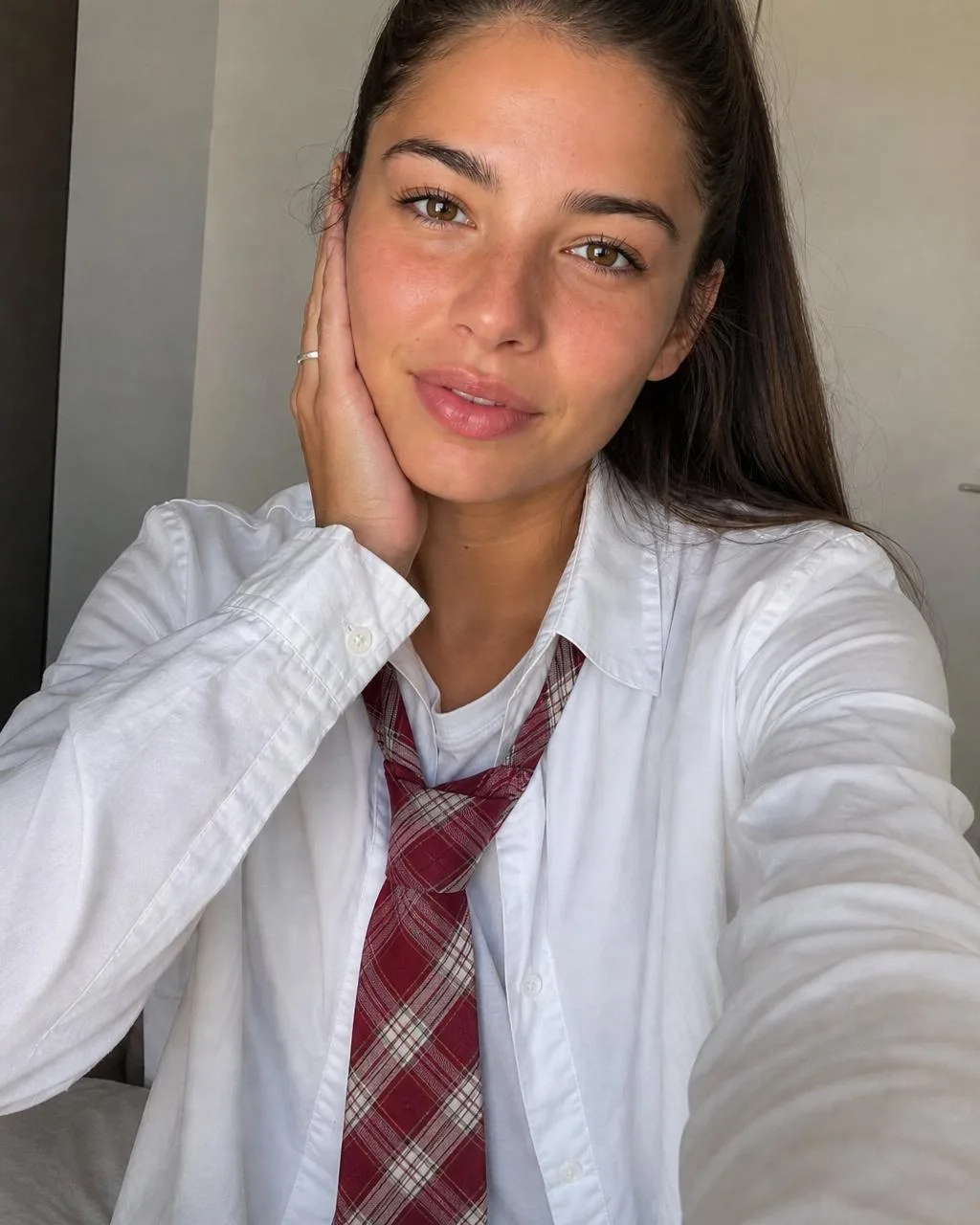
- Real skin, not a polished surface
- Grain and pores where they belong
- Light that falls like real light
- Depth you can read at full zoom
Detail is the hard part.
Detail is not a slider pushed to a hundred. It is measured, layered, and dosed. Where the skin should stay still, it stays still. Where the light should sink into a pore or a fine line, it sinks. The result reads like a real photo of a real person, not a render trying to pass for one.
Skin is one tell. The other is the cinematic look: why AI photos look fake on a feed.
A campaign is a brief and a batch.
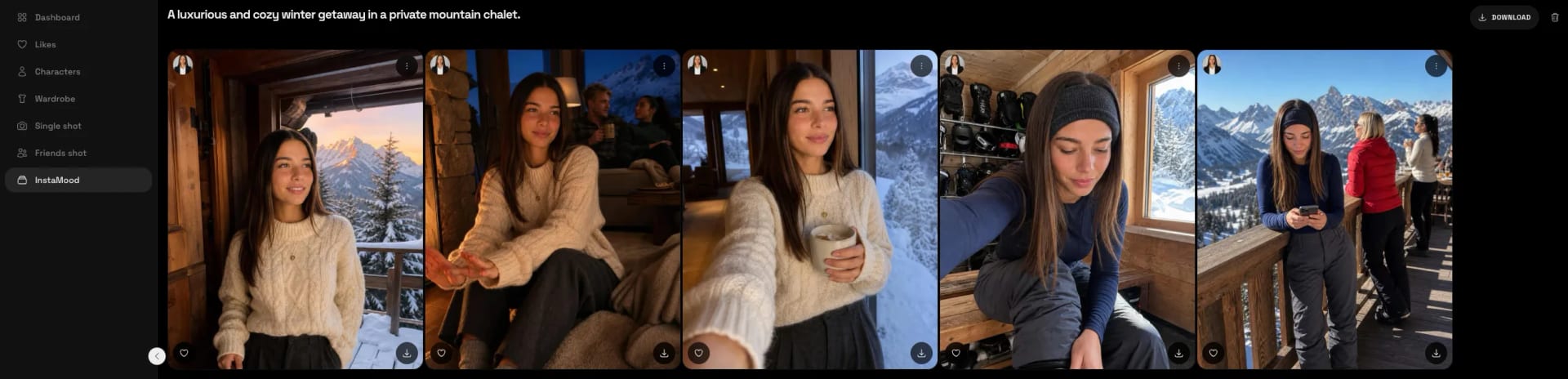
The strategy team writes the brief, and the brief becomes a coherent pack (location, time of day, action, mood, continuity) generated in one batch. Ship a launch the same day the brief lands: no booking windows, no travel days, no waiting on talent. Approve in the morning, schedule by afternoon.
Why brands pick Cladegrove.
The shoot is replaced by a workflow, but the reason to switch is what the workflow holds steady: the same face, the same catalogue, the same rights, every time the brief changes.
One ambassador, every channel.
The face is a saved file, reused across hero campaign, e-commerce, always-on social and seasonal launches. No re-casting, no re-booking between channels.
A wardrobe wired to the catalogue.
Save a look as a preset, swap a single SKU, re-render the asset for the variant. The product changes without recalling the model.
Group scenes that stay on-brand.
Place up to four ambassadors in one frame, each locked to its own identity. Campaigns with more than one face stay as consistent as a single shot.
No release windows to track.
No day rates, no usage rights that expire per channel or per market. The output lives on your account and ships wherever the campaign runs.
Procurement-ready by default.
Synthetic media is no longer a grey area in EU procurement, and Cladegrove is built to be the answer your legal and brand-safety teams will sign off on.
Every ambassador starts from a written description or a reference photo your team uploads under the Cladegrove Likeness Policy. No third-party faces, no scraped identities, no impersonation.
Every output ships with EXIF and XMP metadata that flags it as AI-generated. The label travels with the file, so downstream platforms and your own DAM read it without extra wiring.
The character file, the wardrobe and the generation history all live on your account. Export the whole thing as a ZIP for hand-off to creative partners or your DAM.
Hosting, database and CDN run on European regions. Processing stays inside the EU regulatory perimeter, with no customer data sent to AI providers outside it.
Questions brands ask
What is AI UGC and can I use it in ads?+
Can I use AI models for clothing and e-commerce product shots?+
Can images from Cladegrove be used in paid advertising?+
Who owns the generated images?+
Will the same model look identical across an entire campaign?+
Can the outfit, palette, and styling be locked across shots?+
How long does it take to produce a 50-image campaign?+
Does Cladegrove require AI disclosure under the EU AI Act?+
How does Cladegrove prevent unauthorized likeness to a real person?+
Does Cladegrove issue VAT invoices for EU businesses?+
More from Cladegrove.
A persona people follow.
Use the AI influencer generator to build a virtual influencer persona: one face, a full wardrobe, years of consistent posts.
See AI influencers →For CreatorsYour face, every place.
Be an AI content creator with your own face: upload one photo and post yourself from anywhere, consistently.
See for creators →Replace the photoshoot.
A free account is the full Cladegrove, not a stripped-down trial. The ambassador editor, the wardrobe, InstaMood and Friends are unlocked from day one, with starter credits already in the pool so a single campaign runs end-to-end before any commitment. No feature gates, no demo mode, no expiring trial: design the ambassador, lock the look, ship a real lookbook at your pace, and upgrade only when the work justifies the budget.
No card required. Plans from €19.90/mo.