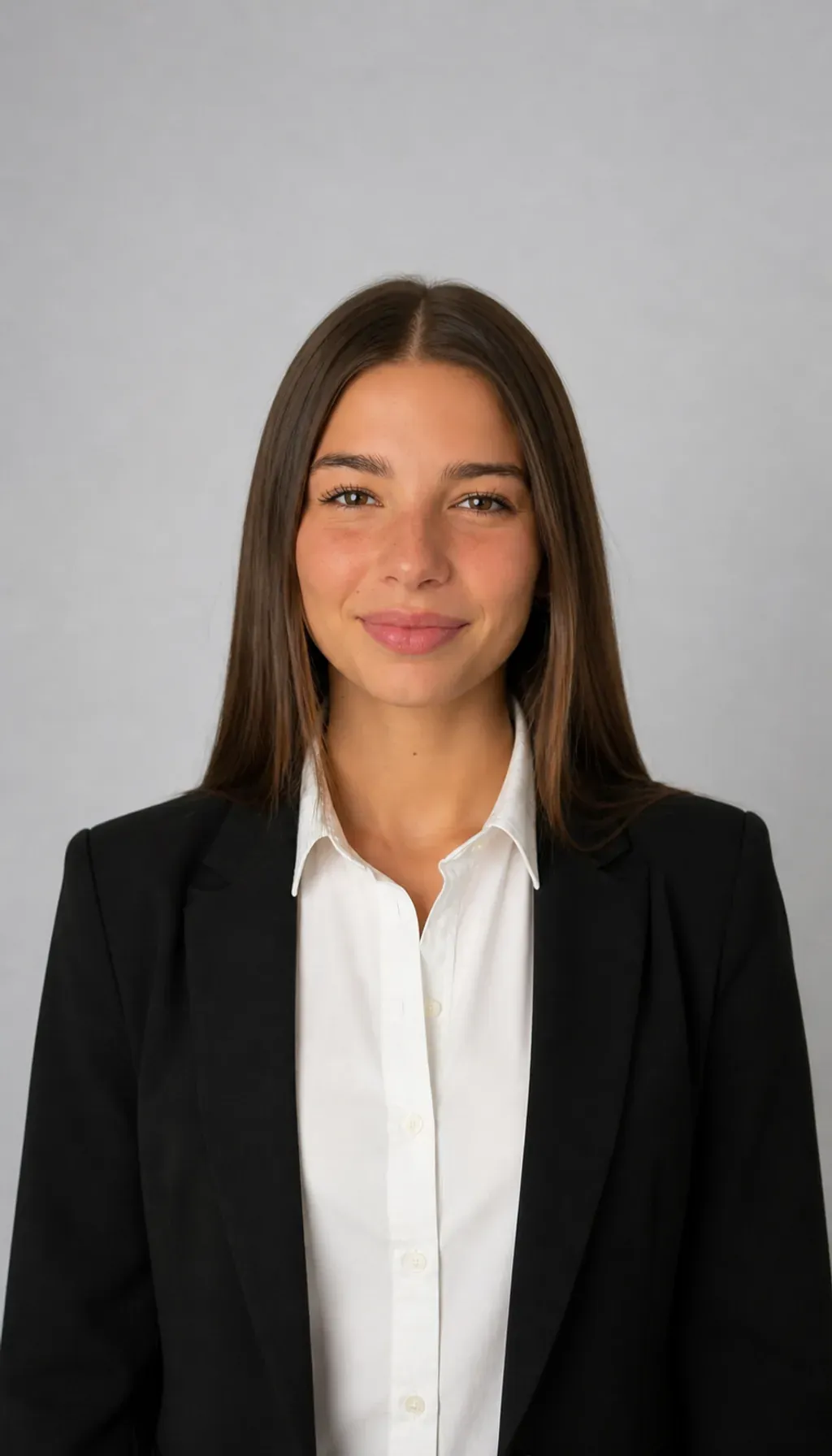
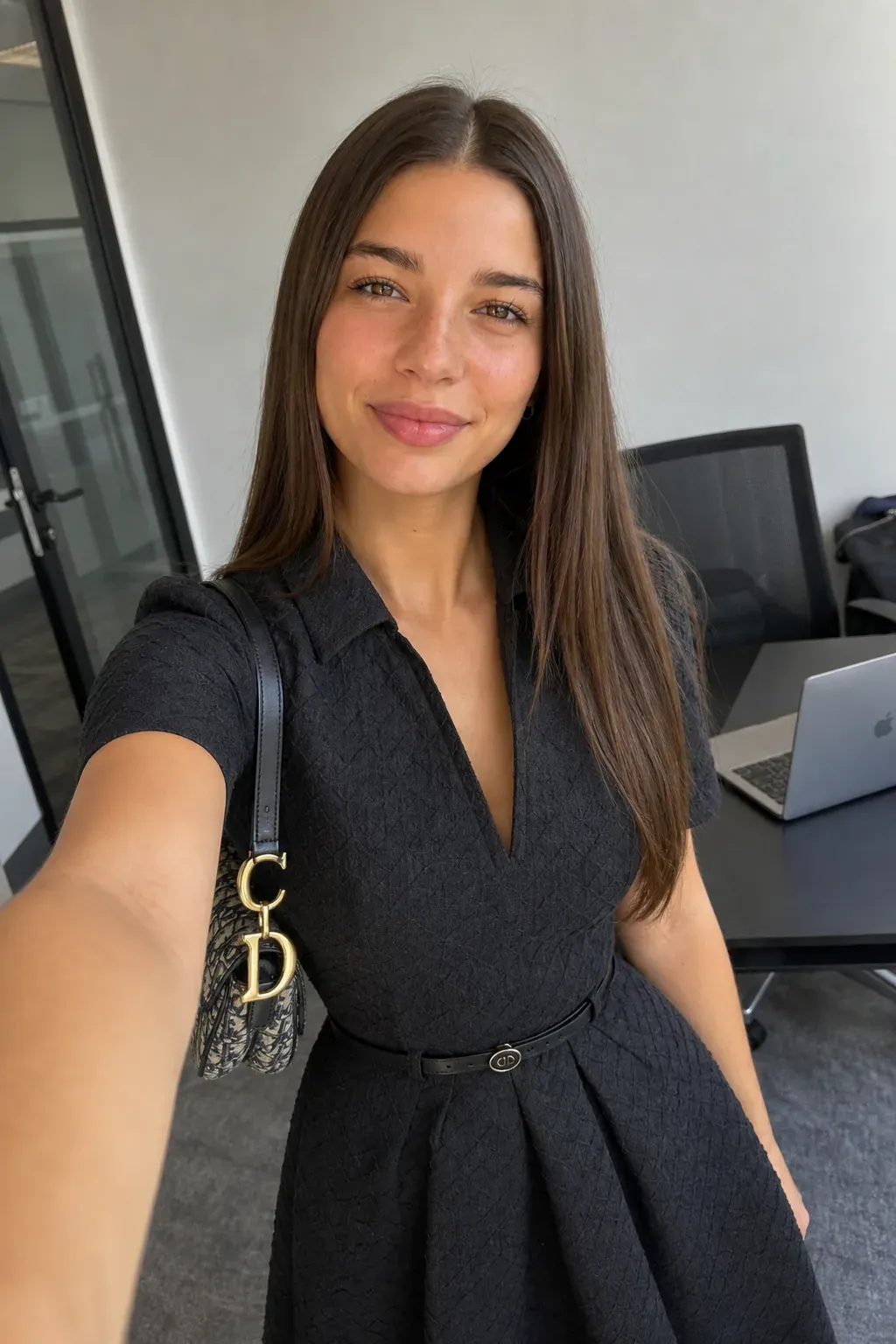
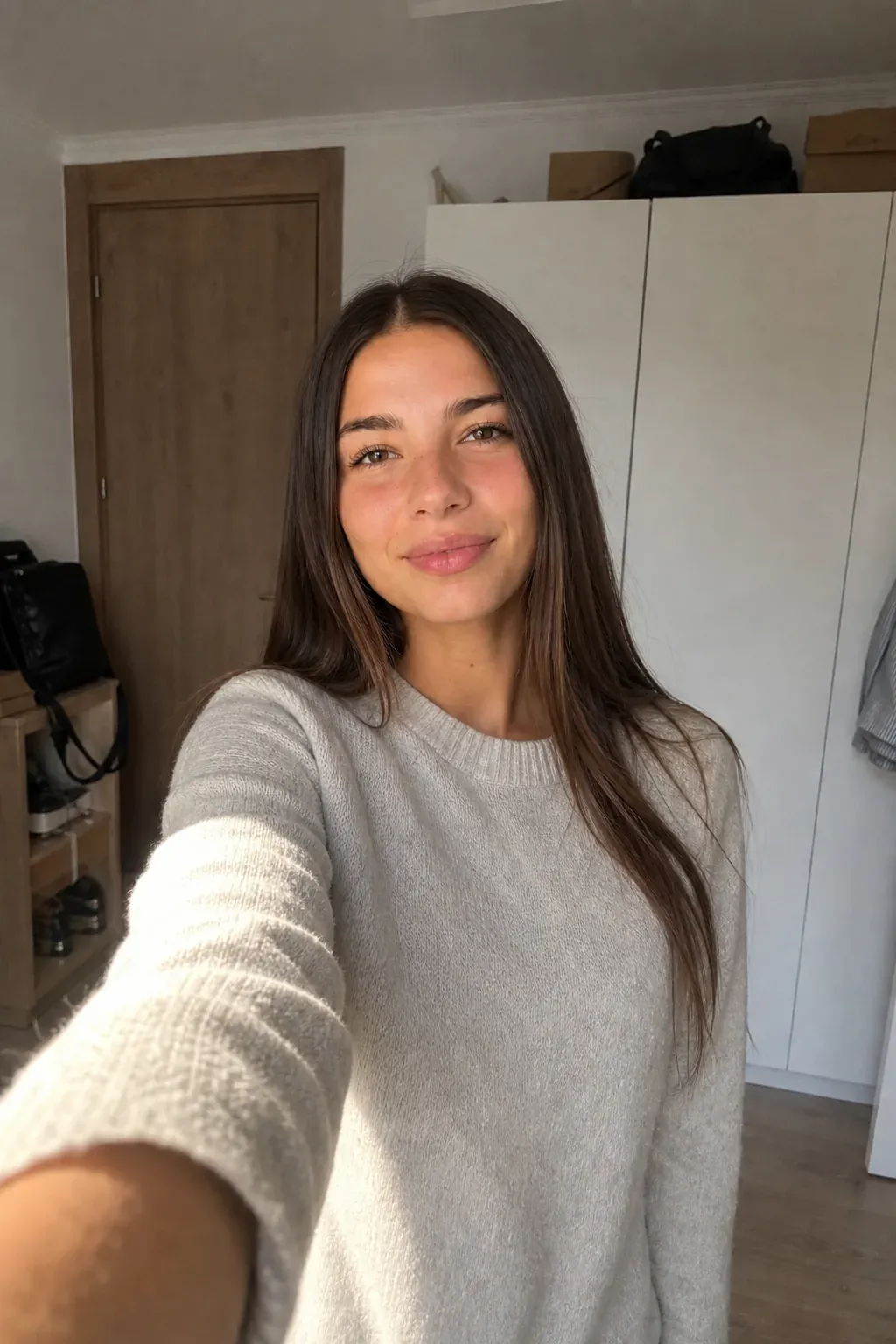
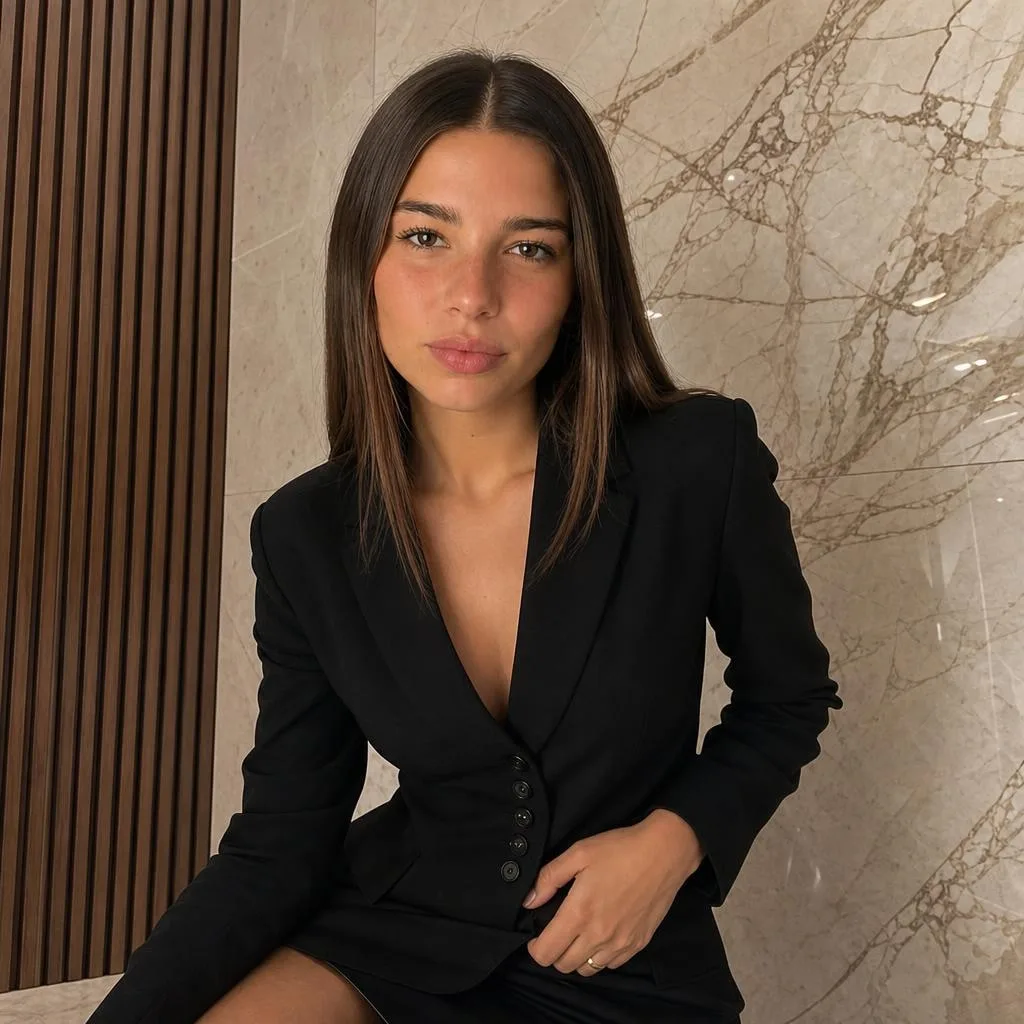
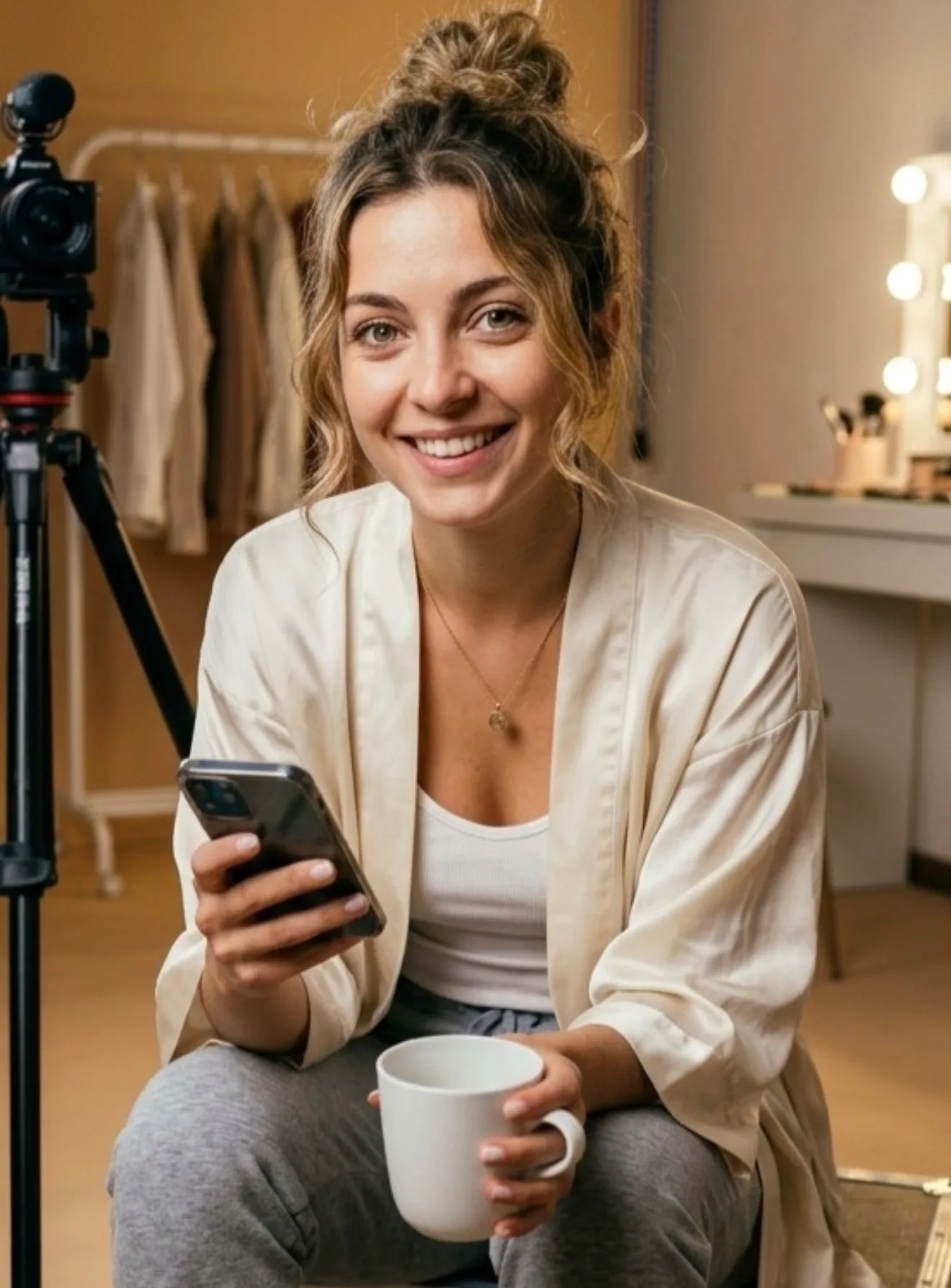
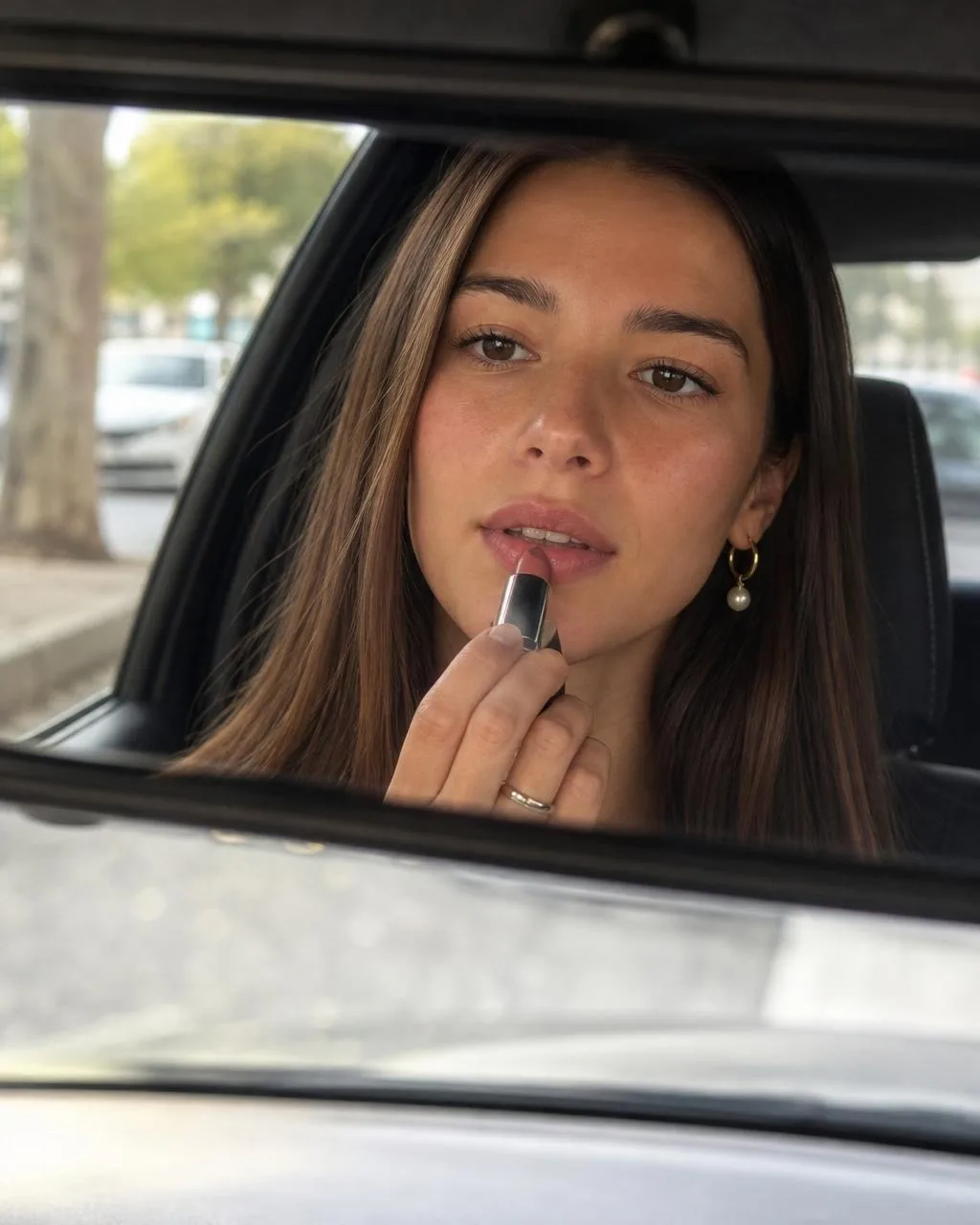
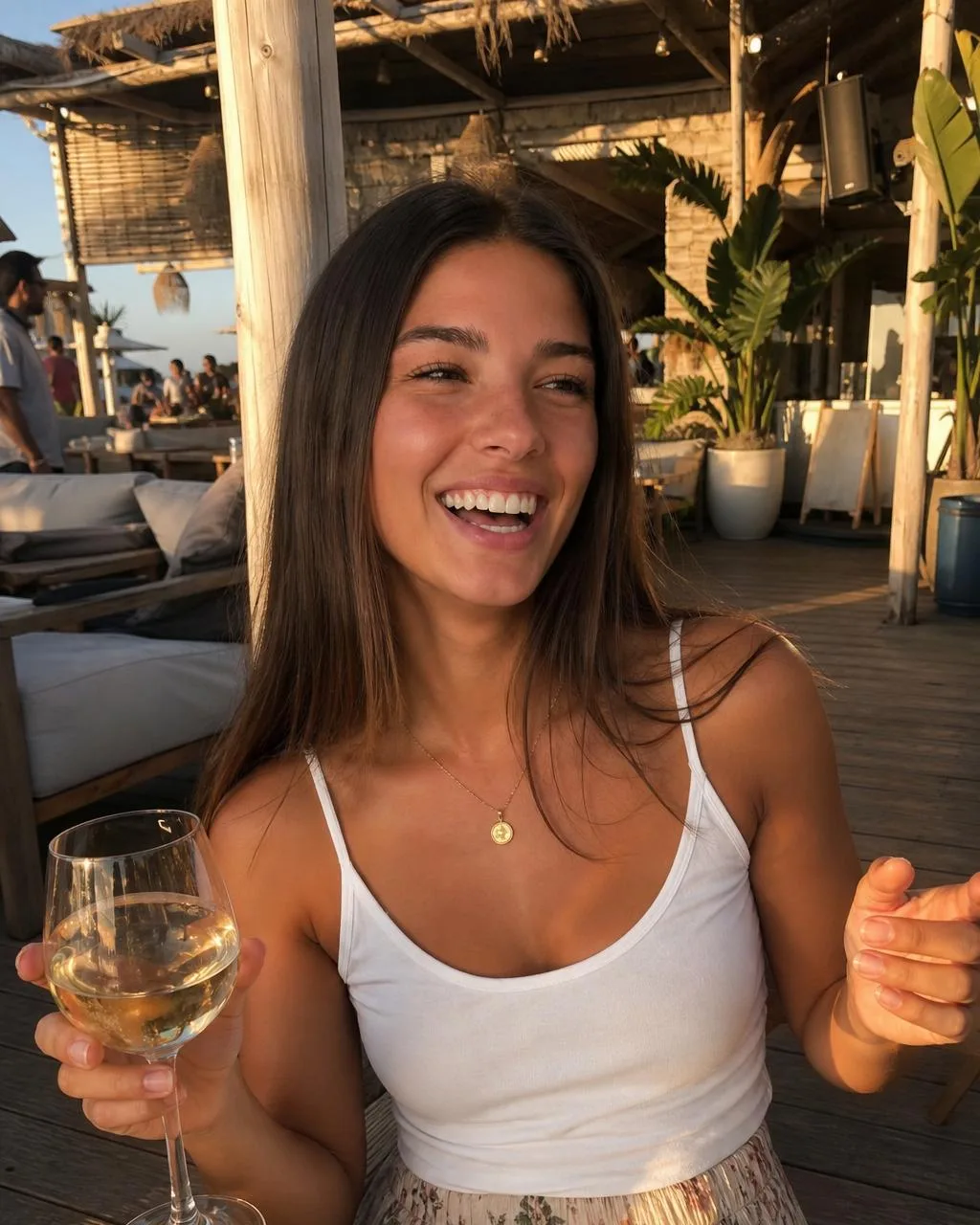
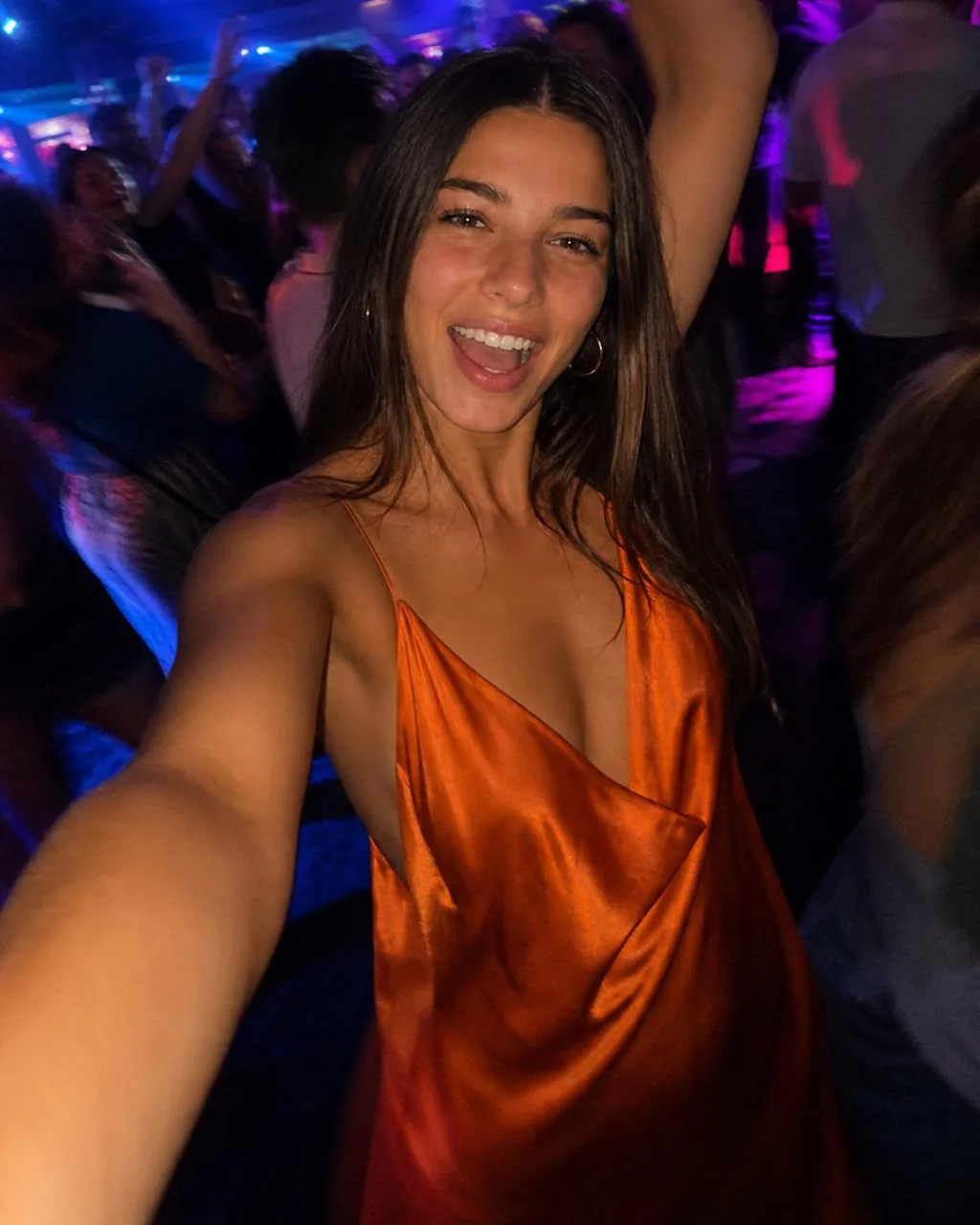
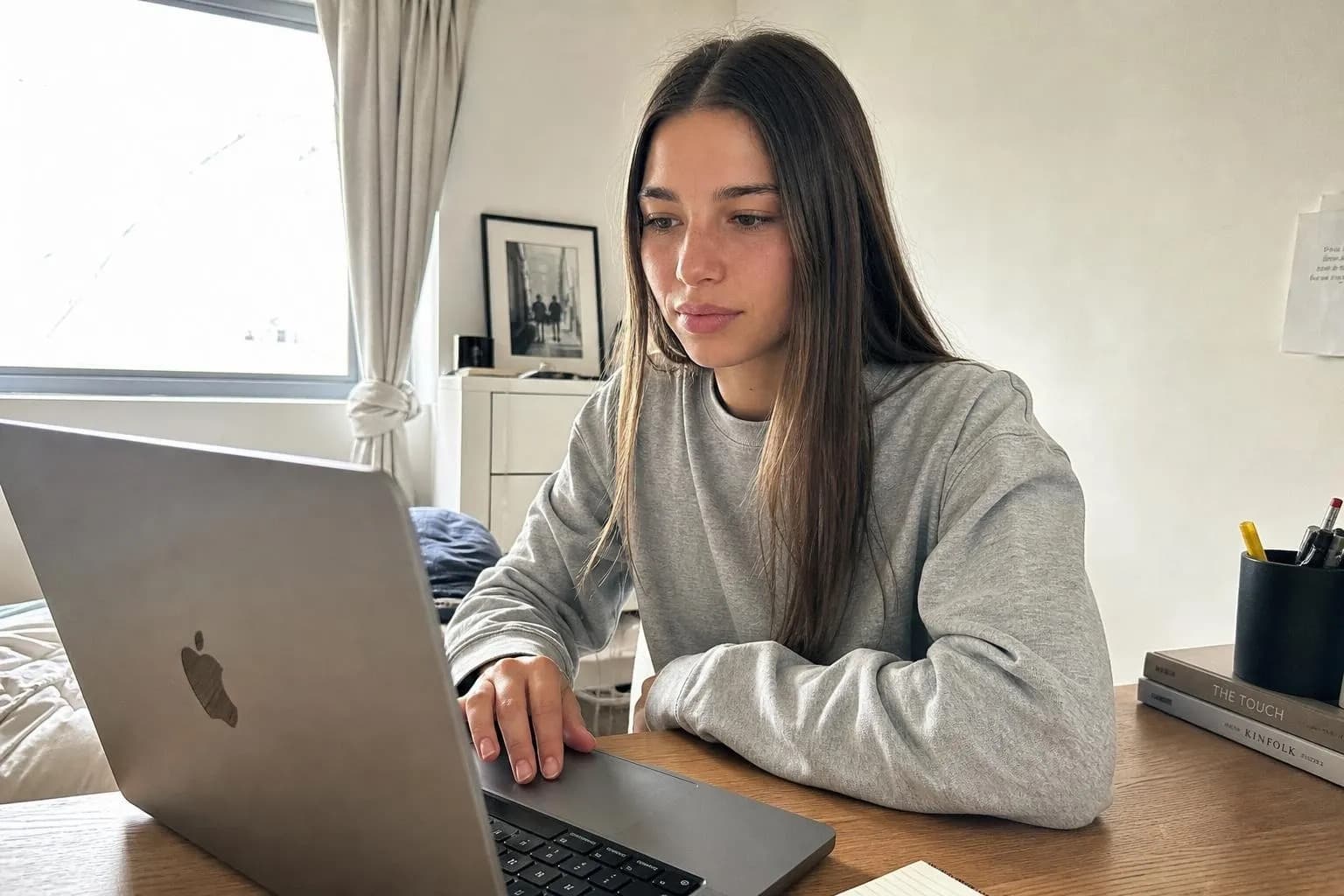
At first I was pretty skeptical, but after trying it I completely changed my mind. I ended up moving my whole workflow to Cladegrove because it’s saving me hours every week. The speed and quality are honestly way better than I expected, and now I can’t imagine going back.
One consistent AI character.Every photo.
Describe a consistent AI character once, and every photo you generate after that keeps the same face. No need to redescribe them, no random changes between prompts.
The model forgets.
Cladegrove remembers.
Cladegrove keeps the character on file. Once described, the same person stays ready for any new scene you imagine. After that, all you write is the moment, and the same person walks back into the photo, photorealistic, with every detail you'd hoped for.


How it works
Most of the time and money in AI photo work goes into rewriting prompts, not into pictures.
Four steps, then the prompts stop coming back.

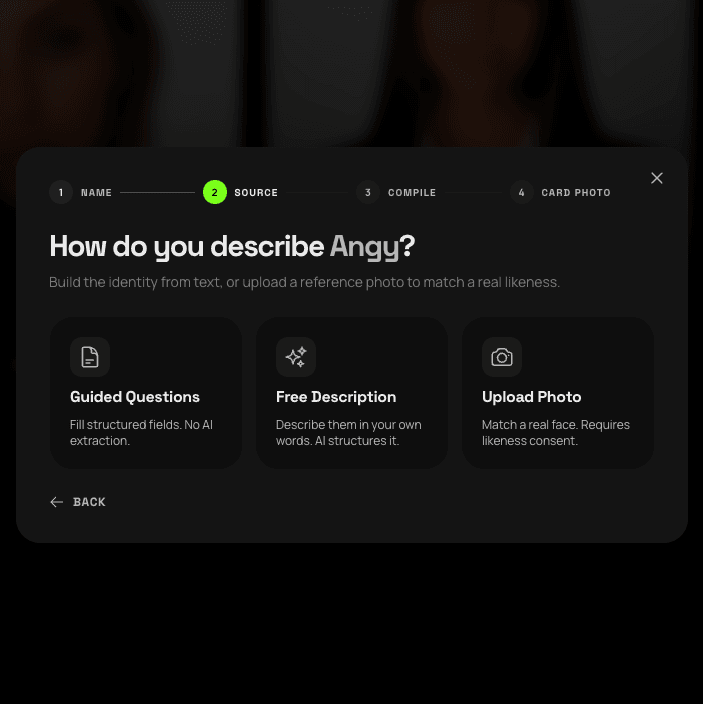
Build the character
A face described once, saved as a record. The starting point becomes a person on file, not a three-paragraph description rewritten at the top of every new prompt.

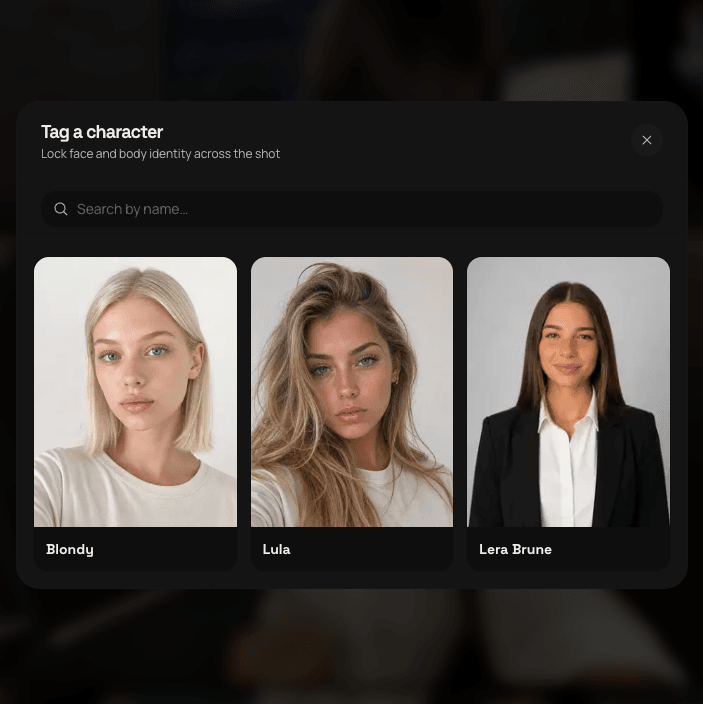
Tag, don’t describe
The character drops into the composer as a tag, not as text. The recurring block that used to define face, hair, build and skin is replaced by a single reference.

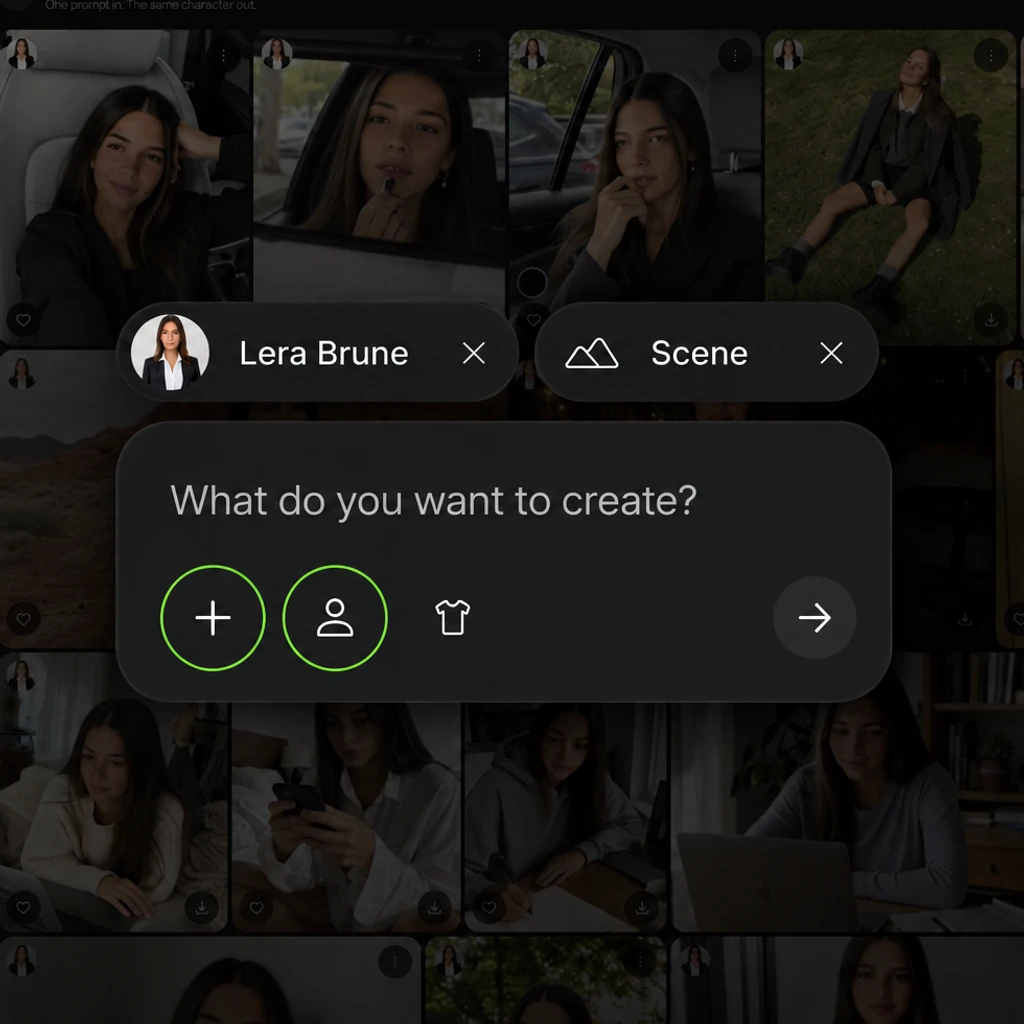
Tag the character, drop the scene
Set the scene two ways: a short prompt with where, mood and what is happening, or just a reference photo. All you need to think about is the scene.

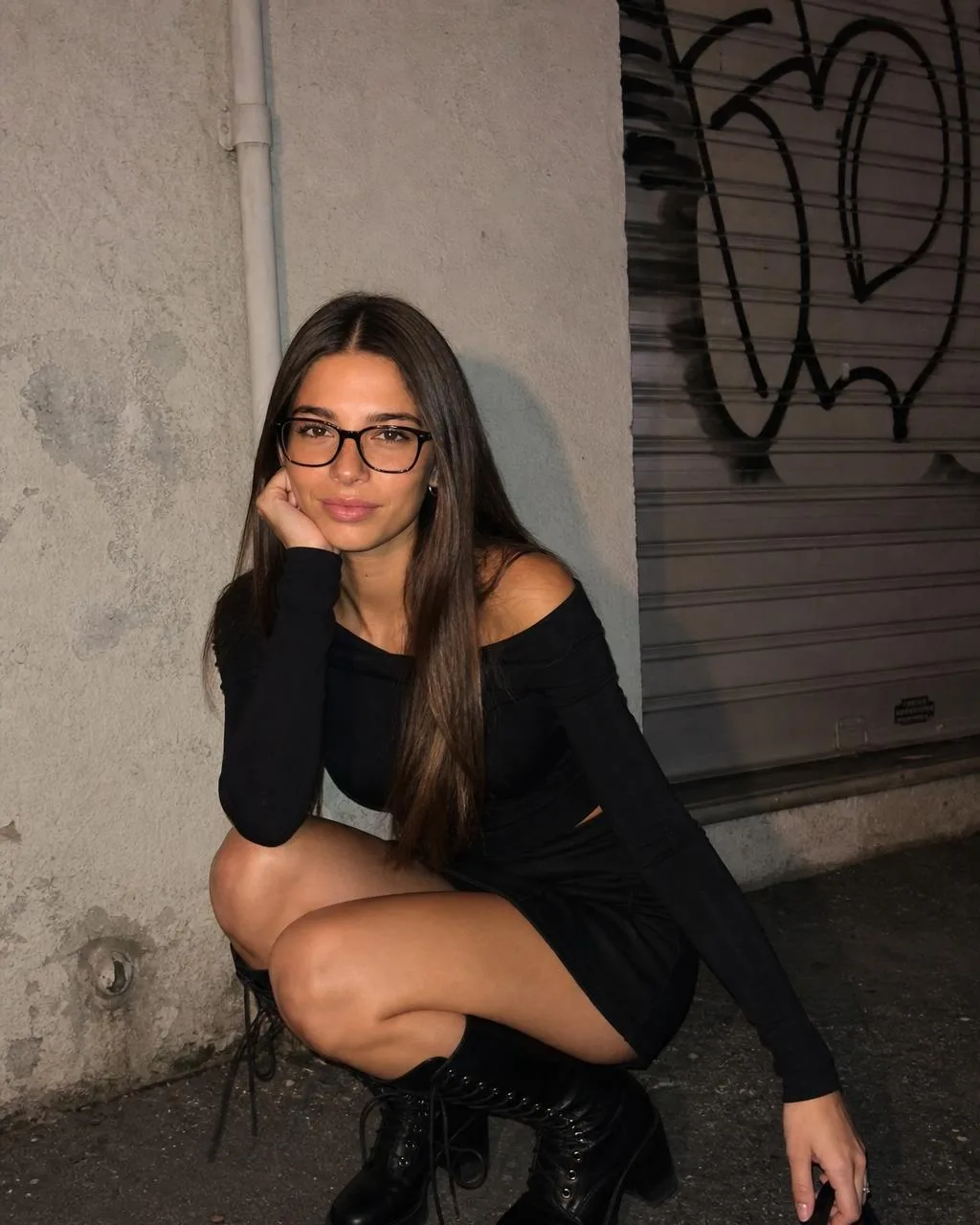
Generate
One click, one photo. The next photo of the same person costs another credit, not another forty minutes of prompt engineering and three discarded variants.
Every other AI photo
has the same tell.
Waxy skin. Glossy highlights that never sit where they should. Pores stamped on like a sticker, freckles airbrushed in a perfect grid, every micro-detail at the exact same intensity. Zoom in once and the photo collapses. The face stops being a face and starts looking like a render.

- Waxy, glossy skin
- Painted eyebrows, gridded freckles
- Pores stamped at the same depth
- Flat, plastic-looking light

- Real skin, not a polished surface
- Grain and pores where they belong
- Light that falls like real light
- Depth you can read at full zoom
Detail is the hard part.
Detail is not a slider pushed to a hundred. It is measured, layered, and dosed. Where the skin should stay still, it stays still. Where the light should sink into a pore or a fine line, it sinks. The result reads like a real photo of a real person, not a render trying to pass for one.
Skin is one tell. The other is the cinematic look: why AI photos look fake on a feed.
One sentence in.
Hundreds of locks under the hood.
You write a moment, the algorithm rebuilds the entire physical plausibility of that moment, then renders it the way a phone would have shot it. Every photo is brand new and no two prompts ever return the same image, but the same person walks back into every frame.


One photo or a crew.
The character holds.

One good photo, your way.
The everyday mode for when one image is enough. You pick the character, outfit, and framing, and the photo comes back exactly as you described.

Get your friends in one photo.
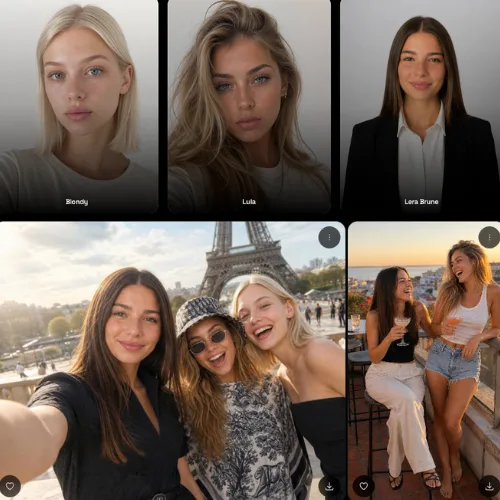
For group portraits, couples, or any shot with two to four of your characters, every face holds and every outfit holds, shot after shot.
From one sentence, a whole feed.
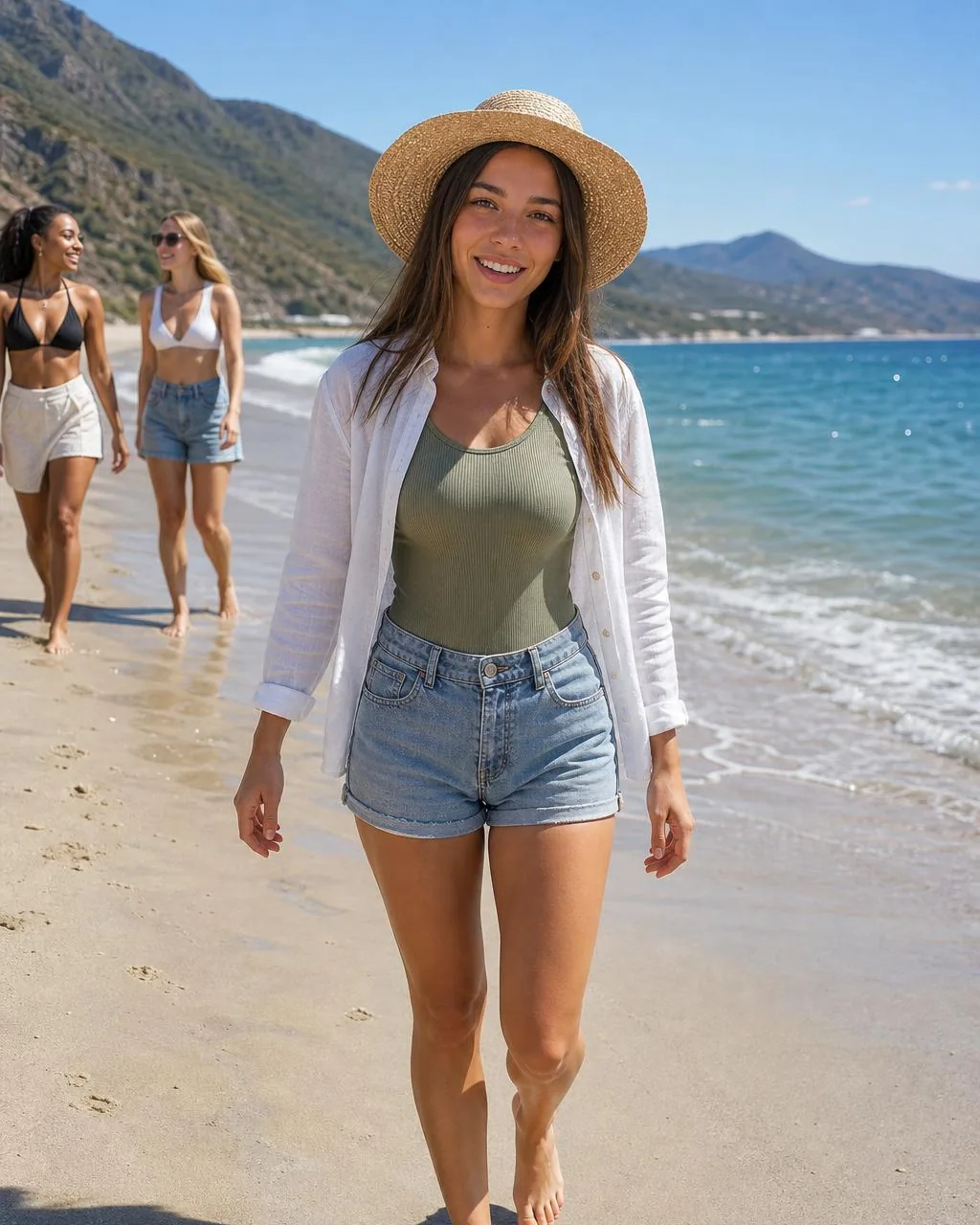
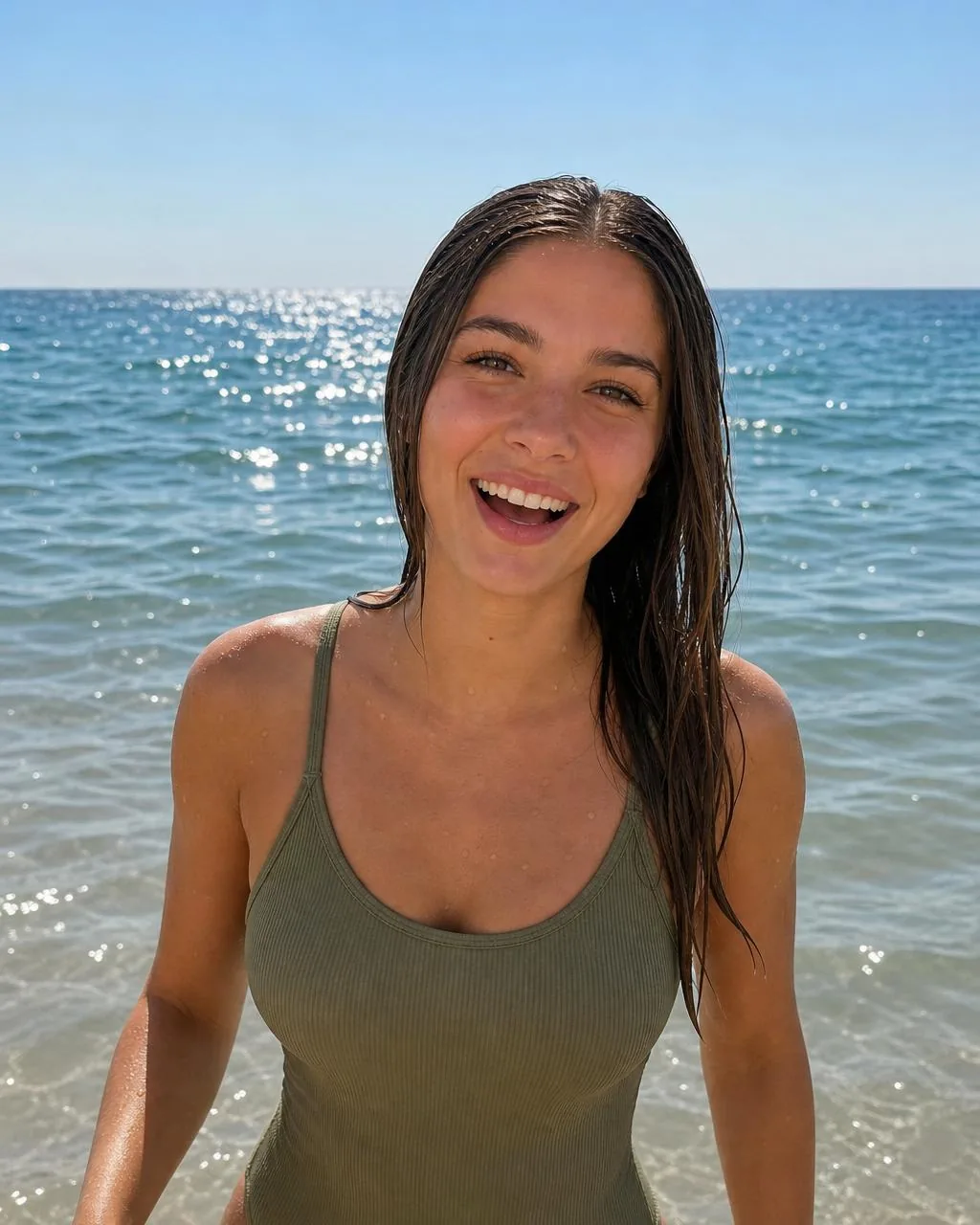
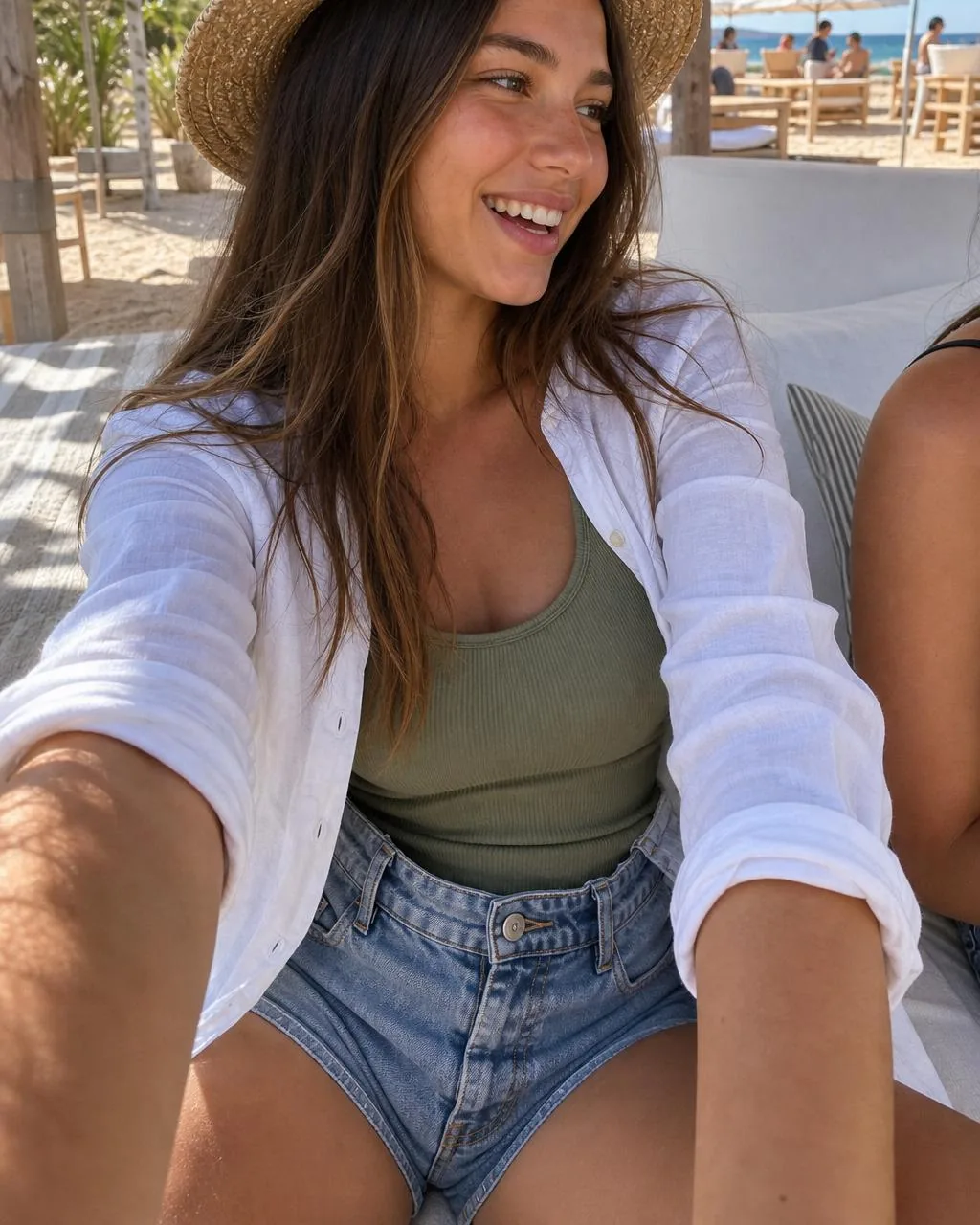
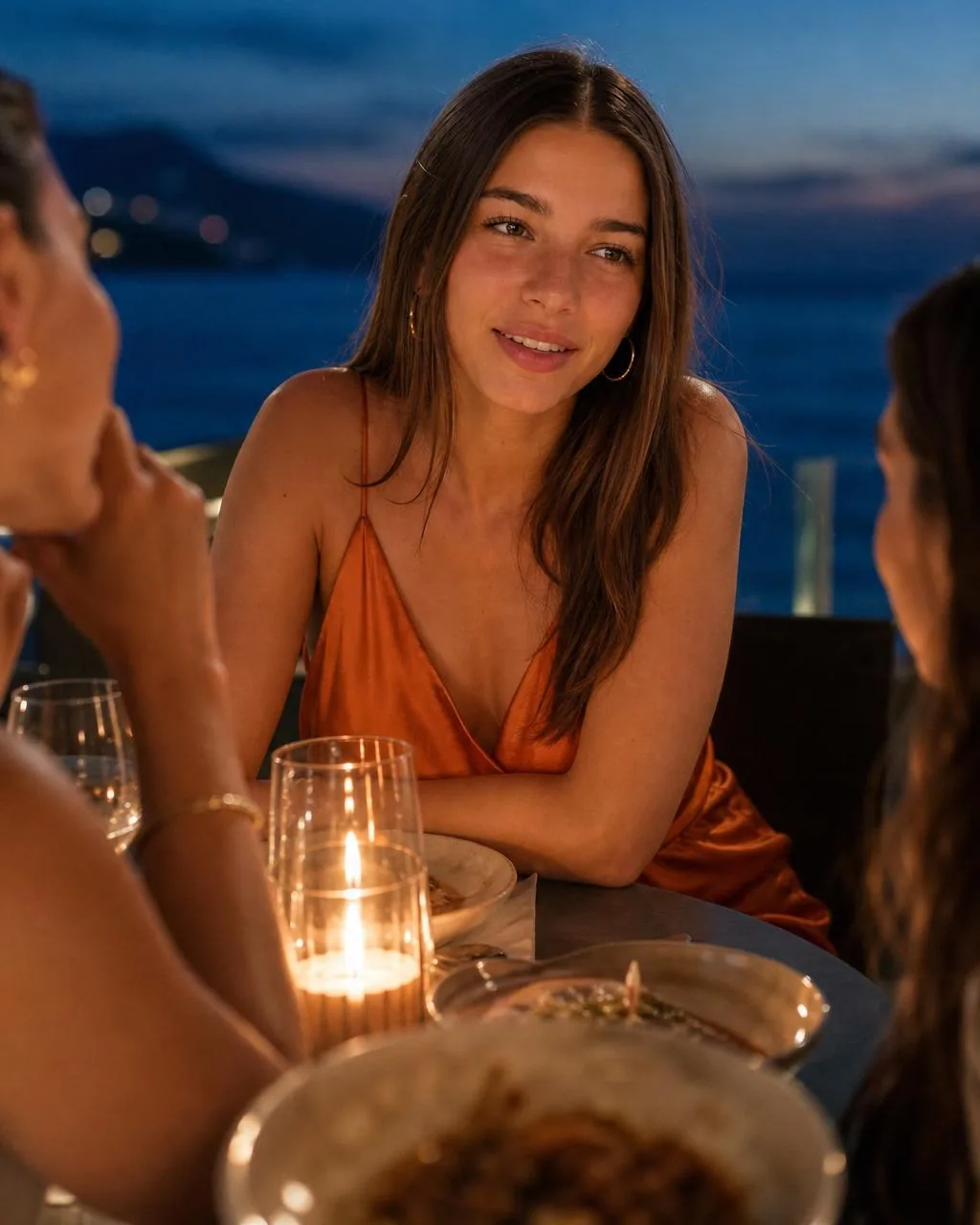
Type a day in plain English, get 2 to 6 ultrarealistic shots back in a few minutes, same character through every scene, outfit and light. Hours of styling, shooting and editing replaced by the time it takes to write the prompt.
A fun day at the beach with friends swimming in the sea, relaxing under the sun, laughing between swims, then an aperitif at sunset by the water, dinner together with a sea view, and ending the night dancing at a beach club. Casual, spontaneous summer vibes, candid moments, warm light, and unforgettable memories.


One engine.
Three kinds of creator.
Brand ambassador.
One face across every campaign and market. No shoot day, no model release, no re-licensing.
See for brands →For CreatorsYour face, every place.
Upload one photo and post from cities, seasons and studios you can't physically reach.
See for creators →AI InfluencersA persona people follow.
Design a virtual influencer once and run her like a business across years of posts.
See AI influencers →Skip the pitch. Read theirs.
I was probably one of the first people to believe in this project, and I’m genuinely impressed by how far it has come. The output quality is insane and it saves me an incredible amount of time. What surprised me most is that I no longer need complex prompts to get results that were impossible to achieve before. The quality level is on another level.
Common questions
What is Cladegrove?
Cladegrove is a consistent AI character generator: the layer that makes AI-generated characters stay the same person across posts, scenes, and group shots. Most AI image tools generate a different face every time. Cladegrove holds the character, so a single description produces a consistent identity across every photo you make.
How do I keep an AI character consistent across photos?
Image generation models are stateless. They forget what they produced a second ago, which is why the same prompt returns a different person on every run. Cladegrove stores a structured description of the character (face geometry, body, distinguishing marks, styling) and re-applies it to every generation that follows. The model still forgets. Cladegrove remembers for it, and feeds the identity back in on every render.
Is this a face-swap or deepfake tool?
No. Every character on Cladegrove starts from a written description, not a photo of a real person. Cladegrove does not paste faces onto bodies, does not impersonate real public figures, and rejects uploads identified as third-party likeness. Creators uploading their own face do so with explicit consent under the likeness policy.
Can I use my own face?
Yes. Upload one photo of yourself, and Cladegrove places the same face across every generation. Use is restricted to your own likeness, with consent recorded at upload. Third-party faces are not allowed, see the likeness policy for full terms.
What can you make with Cladegrove?
Five tools, one consistent character:
- Single shot: one prompt, one photo at a time, identity locked.
- Wardrobe: save outfits as presets and reuse them across shoots.
- Characters: design and store the persona, including a reference photo set.
- InstaMood: a batch of coherent shots in the same scene, mood, and outfit.
- Friends: group photos where every character keeps a distinct identity.
Can the same character appear in group photos with other characters?
Yes. Friends generates group photos where each character holds its own identity, face, and styling without merging into the others. A group shot of N characters costs N+1 credits.
Is generating AI characters legal in the EU?
Yes, when the character is not a real person. Cladegrove operates under EU AI Act Article 50, which requires synthetic media to be identifiable as such. Generated images carry the relevant metadata, and the AI Disclosure page details how Cladegrove handles transparency, consent, and likeness. The platform is operated from Italy on EU-based infrastructure.
How long does one photo take?
30 to 90 seconds per render, depending on tool and queue. Single shot generations are at the lower end. InstaMood and Friends packs run multiple shots in sequence and finish in a few minutes.
From the blog.
Field notes on keeping one AI character consistent, building AI influencers, and staying on the right side of disclosure rules.
Your character is one signup away.
Describe a character once, or upload your own face. Every photo after that keeps the same person, across scenes, outfits, and group shots.
No card required. 10 free credits on signup.