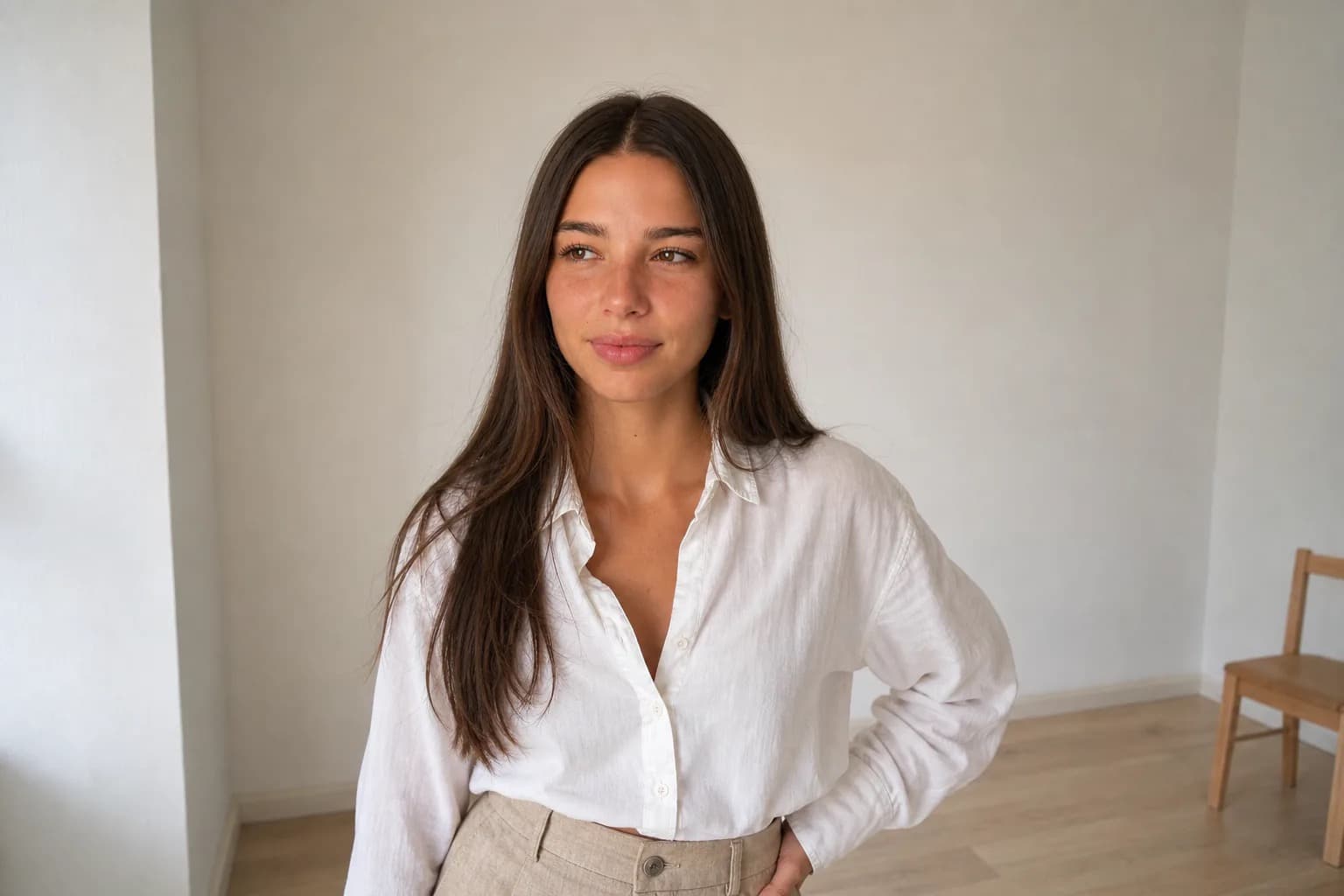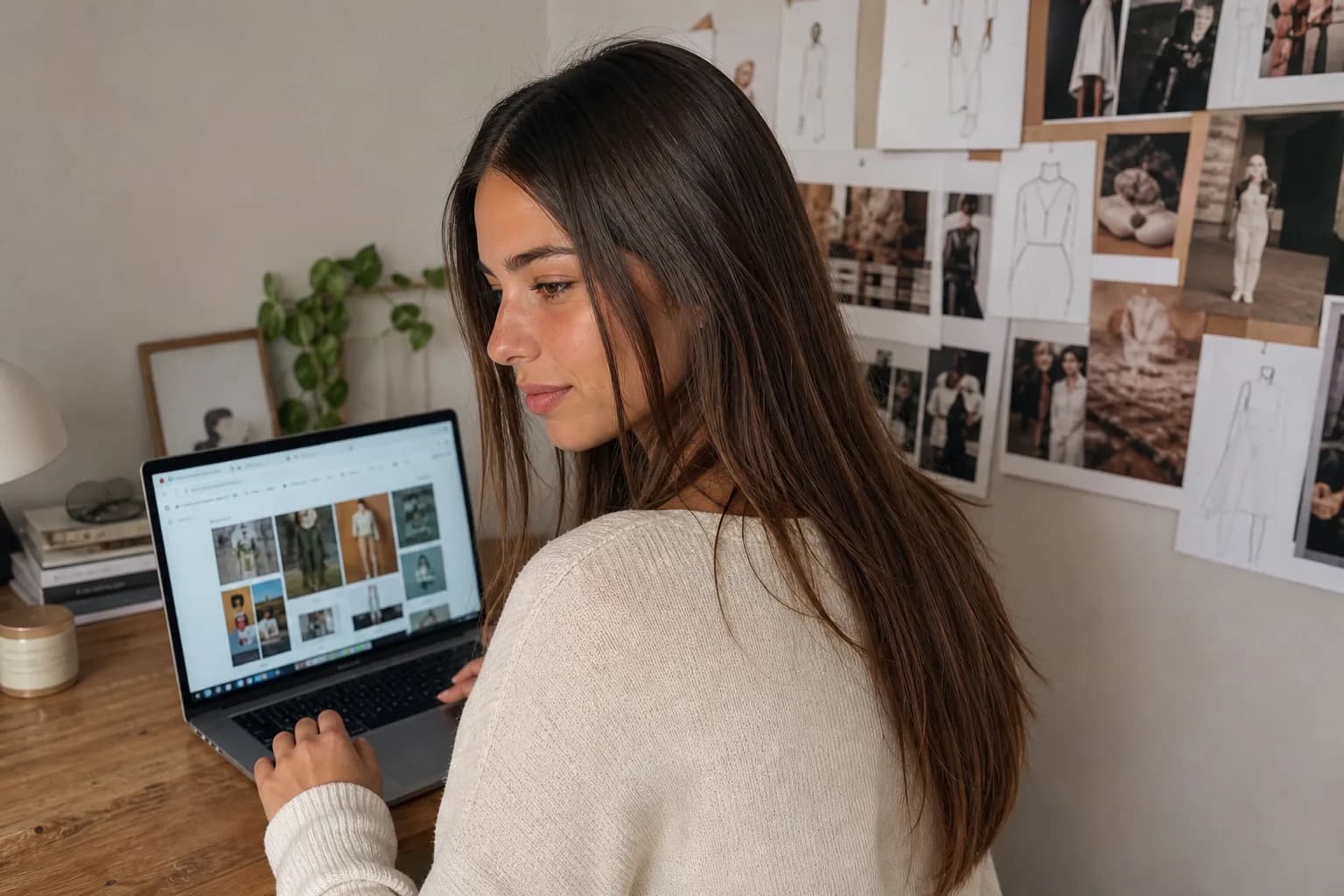
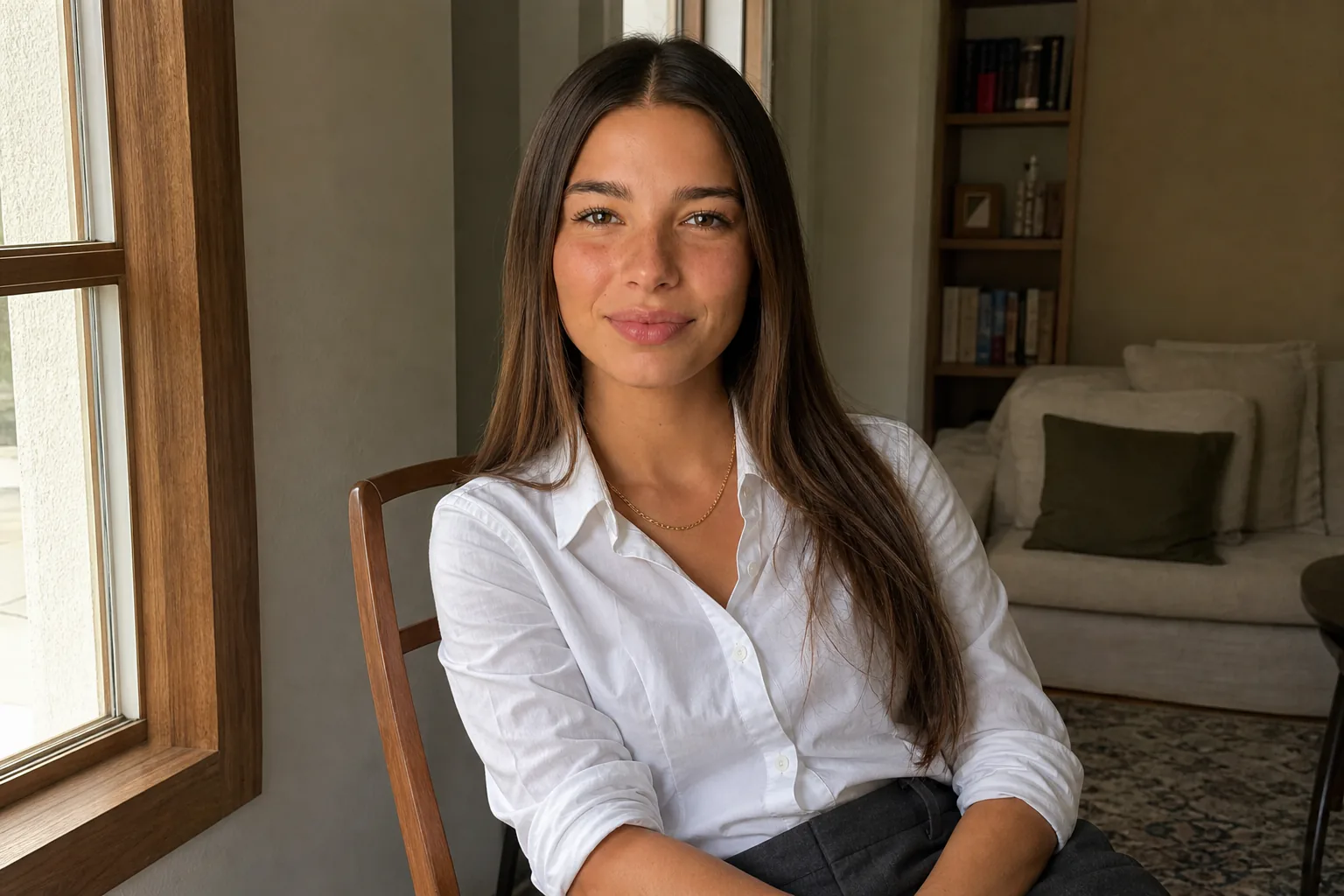
Yes, you can create a consistent AI character for free, up to a point. Free tiers on tools like Leonardo and OpenArt, plus self-hosted ComfyUI, which is free but technical, can hold a character's look across a handful of images using seed locking and reference images. Past that handful the free route strains: generation caps are low, faces rarely stay locked across different poses and outfits, and you spend real time hand-tuning prompts to fight the drift. So the honest answer is that free gets you a proof of concept, and whether it gets you a usable set depends on how much manual work you are willing to do. The sections below cover what actually works at zero cost, where it breaks, and when paying starts to make sense.

Can you actually create a consistent AI character for free?
You can, with a clear definition of "consistent." If consistent means a character that looks recognizably the same across five or six images in similar poses, free tools can reach that with some care. If it means the same face holding across dozens of images in different outfits, angles, and lighting, free tools struggle, and that gap is the whole story of this article.
The reason sits in how image models work. They are stateless. Each generation is a fresh roll, and nothing carries the character forward unless you give the model something to anchor to. The free anchors are seeds, which re-run the same random starting point, and reference images, which show the model the face you want. Both help. Neither guarantees. The same seed with a changed pose can still shift the features, and a reference image gets interpreted rather than copied, so the face drifts a little each time.
So free is real, but it is manual. You are the consistency layer, checking each output, rerolling the ones that drift, and holding the character together by hand. For a single avatar or a short set, that is workable. For a working feed, the manual load is the thing that eventually pushes people to pay.

What are the best free tools for a consistent AI character right now?
A few genuinely have a free path worth using. Each is good at something different.
- ComfyUI (self-hosted). Free with no per-image cost, because it runs on your own hardware. It is the most capable free route: with reference-image and face-conditioning nodes it can hold a character well across a set. The cost is your time and a capable GPU. You build the workflow, and consistency is as good as your tuning. Best for technical users who want control and no cap.
- Leonardo (free tier). A hosted tool with a daily free credit allowance and character or reference features that help repeat a look. The free credits run out fast, so it suits testing a character and producing a small number of images rather than a full campaign.
- OpenArt (free tier). Also hosted, with a free allowance and character-consistency features aimed at exactly this use case. Same shape of limit: fine for a handful of images, capped before you get to volume.
Two honest notes. Midjourney has strong character-reference features but no open free tier anymore, so it belongs in the paid column despite how often it shows up in "free" lists. And every hosted free tier changes its limits over time, so check the current allowance before you plan a project around it rather than trusting a number you read somewhere. The general technique for holding a character steady, whichever tool you use, is laid out in how to keep an AI character consistent across every image.

Where does the free route break down (and why)?
Three walls show up in a predictable order.
The first is the cap. Hosted free tiers give you a small daily or monthly allowance, and building a character is iterative. You reroll, adjust, and reroll again, and a real character set can burn a week of free credits in an afternoon. ComfyUI dodges this by having no per-image cost, which is why technical users gravitate to it, but it replaces the cap with a setup and hardware wall instead.
The second is face-lock across change. This is the one that actually matters and the one free tools handle worst. Getting a consistent face in similar shots is achievable. Holding that exact face when you change the pose, the outfit, or the camera angle is where drift creeps in, and on a free workflow you fight it manually every time. A few images look like the same person. By the twentieth, small shifts have accumulated and the audience is looking at a sibling, not the character.
The third is the manual workload itself. Seeds, reference images, and prompt wrangling are levers, not automation. Every image is a small negotiation with the model, and the effort scales with the size of the set. For one profile picture that is nothing. For a persona that has to post regularly, the hand-tuning becomes the actual job, and it is the job most people did not sign up for.

When is it worth paying for consistent AI characters?
The line is volume and drift tolerance, not a moral stance on free.
Stay free when the character is small and static. A single avatar, a one-off illustration, a short set of similar images, or a test to see whether a character idea works at all. There is no reason to pay for any of that, and starting free is the sensible first move. It is the same lesson as the free AI influencer generators: begin at zero, see how far it carries you, and let the limits tell you when you have outgrown it.

Pay when you need volume with a face that does not move. Once a character has to appear across dozens of images in different outfits, poses, and scenes, and read as the same person every time, the manual free workflow stops being a saving and starts being unpaid labor plus a quality risk. That is the point where a system built to hold one identity fixed earns its price, because it removes the exact task, fighting drift, that consumes your time on the free route.
The signal is simple. If you are rerolling more than you are creating, and your character is starting to look like a set of near-relatives, the free route has told you what it can do. Cladegrove keeps one character locked across every image, pose, and scene, so the face stays the same whether it is shot one time or a hundred. See how it holds.
Common questions
Is there a truly unlimited free consistent character AI tool?
Not in a hosted product. Free tiers all cap generations, usually per day or per month, because each image costs the provider real compute. The one route with no per-image fee is running an open-source workflow like ComfyUI on your own machine, and that trades the cap for setup time, a capable GPU, and a lot of manual tuning. Free without limits and free without effort are not the same thing.
Can ComfyUI make consistent characters for free?
Yes, and it is the strongest free option if you are willing to work for it. ComfyUI is open-source and runs locally at no per-image cost, and with reference-image and face-conditioning nodes it can hold a character across a set. The catch is that you assemble the workflow yourself, it needs a decent GPU, and consistency depends on how carefully you tune it rather than arriving out of the box.
Does Midjourney keep a character consistent for free?
Midjourney has character-reference features that help hold a look across images, but it no longer offers an open free tier, so in practice you are on a paid plan to use it at all. Free trials come and go and are usually too limited to build a full character set. Treat it as a paid tool with consistency features, not a free one.
What is the difference between a free consistent-character generator and a locked identity system?
A free generator gives you tools that nudge toward consistency, like seeds and reference images, and leaves the work of keeping the face stable to you. A locked identity system treats the character as a fixed identity and holds it across poses, outfits, and scenes by design, so you are not re-fighting drift on every generation. The difference shows up most once you need dozens of on-model images rather than a handful.